Warehouse security guards from CAL Security Group work where freight goes missing: the guard shack where carriers check in, the dock doors, the trailer yard and the high-value SKU cage, from the Inland Empire to the port corridor.
Nobody shoplifts a pallet. Warehouse losses come from a driver with the wrong paperwork, a trailer that leaves with a broken seal, a dock door open at 2 a.m., or a picker who knows the cage stays open during shift change. Fictitious pickups, where a thief poses as a real carrier to collect a load, are a known problem in logistics; the guard shack is where to stop one.
Distribution buildings here sit along the I-10 and SR-60 in Ontario, Fontana and Chino, in Commerce and Vernon, and near the ports along the I-710. Our officers hold guard cards from the Bureau of Security and Investigative Services (BSIS).
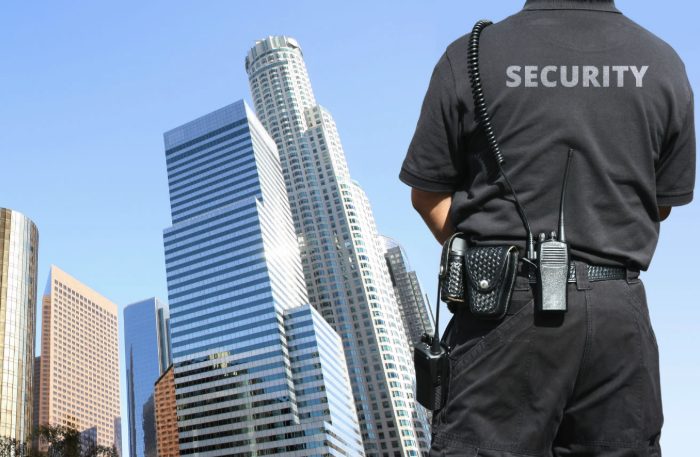
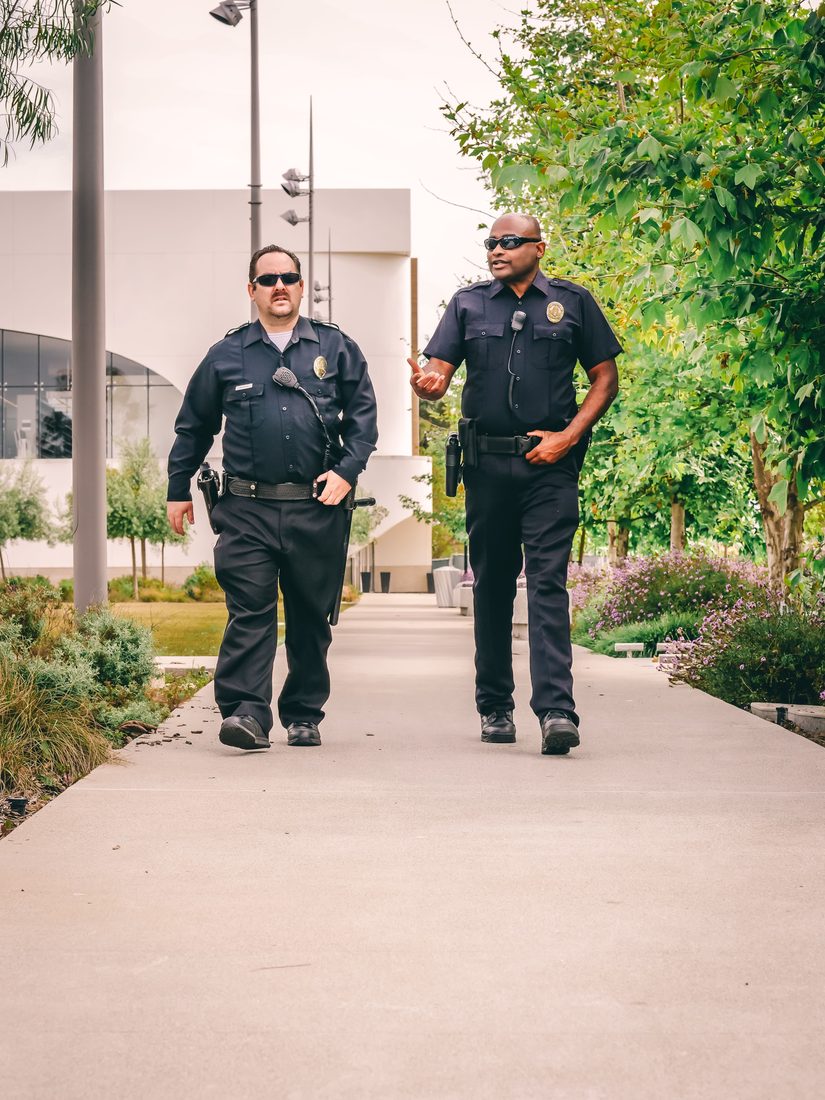
The post orders follow the freight from the street to the dock door and back out.
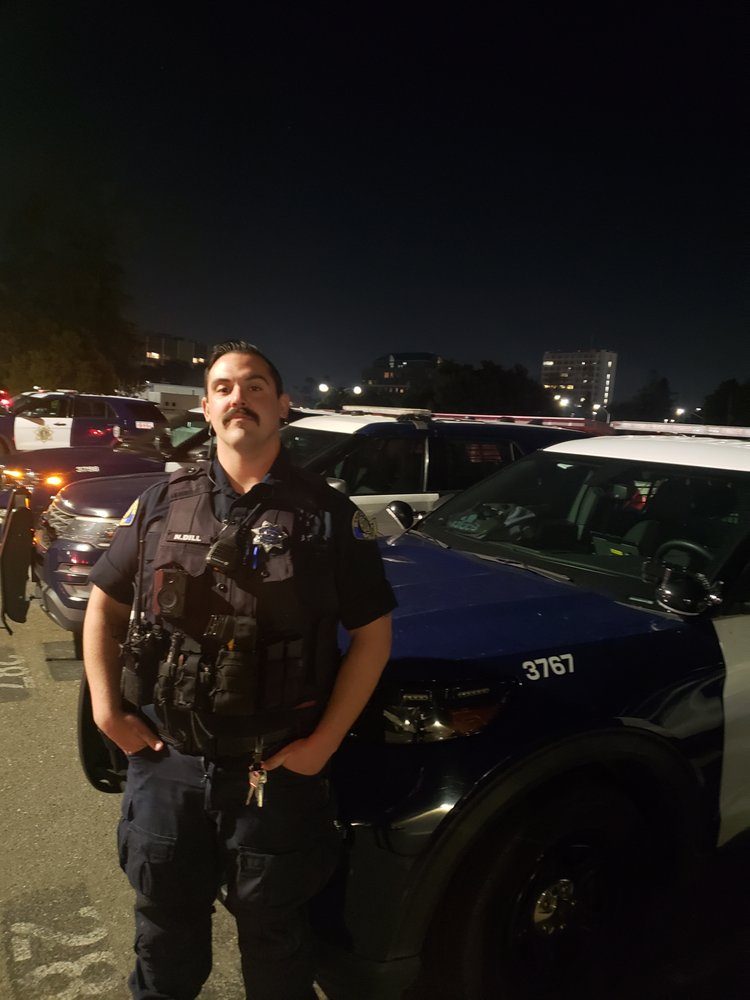
Posts that pair with a gate and dock officer.
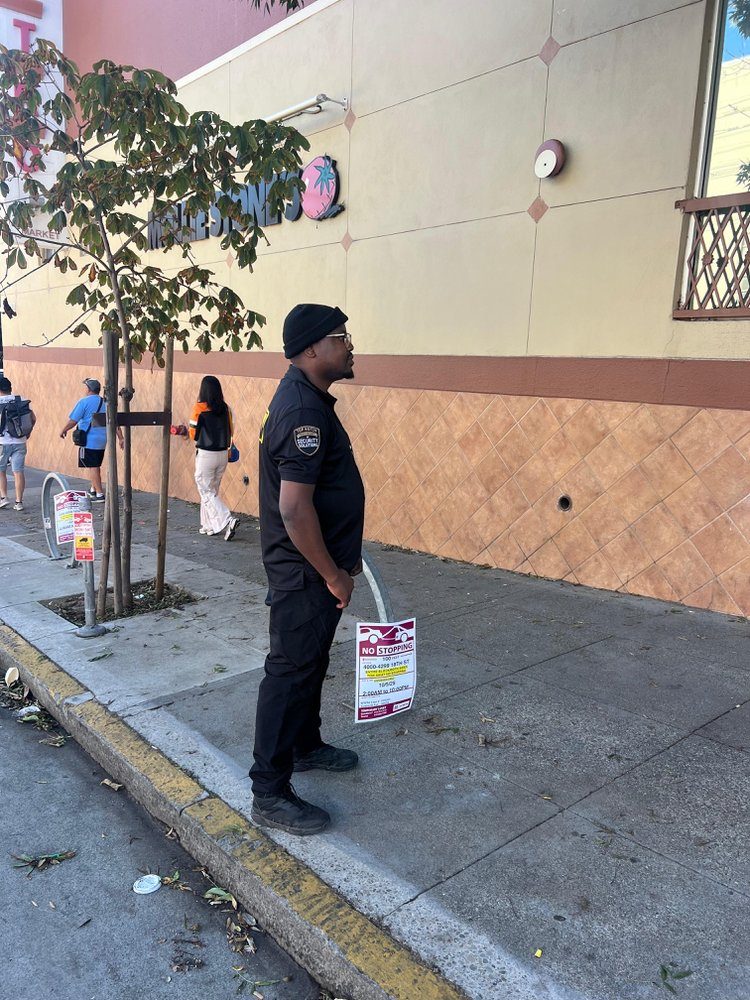
Internal loss work when the shrink is on the pick floor, not at the gate.
↗
Patrol visits to a trailer drop yard or an overflow lot with no one on site.
↗
Closing checks on dock doors and a response when the building alarm trips.
↗
Fire watch while the sprinkler system is down in a building full of racked product.
↗
An officer at the lobby or employee entrance for badge checks.
↗Tell us where the loss showed up: yard, dock or cycle count. We will quote a post that closes the gap.
Warehouse security controls movement at the edges of the building: the gate, the dock doors and the yard.
Loss prevention looks inside, at product that disappears on the pick face, in returns or through the employee door. Start at the gate and dock, since that is where a full load can leave at once. When cycle counts show product walking out a case at a time, add loss prevention.
The two posts feed each other: the gate log shows when a trailer left, and the cage log shows who opened the cage.
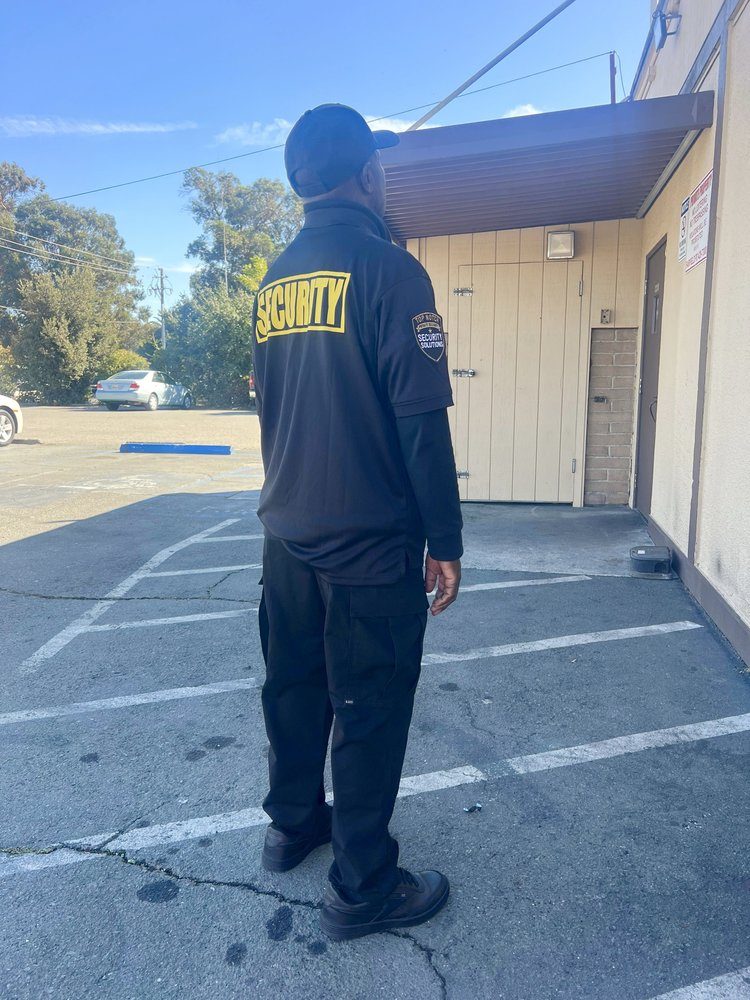
A warehouse post works when the officer checks the same things your shipping office checks.
We follow a load from the street gate to the dock door and back out, and mark every place a check could be skipped.
Your appointment list, bill of lading (BOL) and seal log, so the officer checks the same fields your shipping clerk does.
Who may open the high-value cage, who signs the key out, and what the officer does when the log and the people inside do not match.
Where employees exit, what your bag check policy says, and which doors stay locked while two shifts overlap.
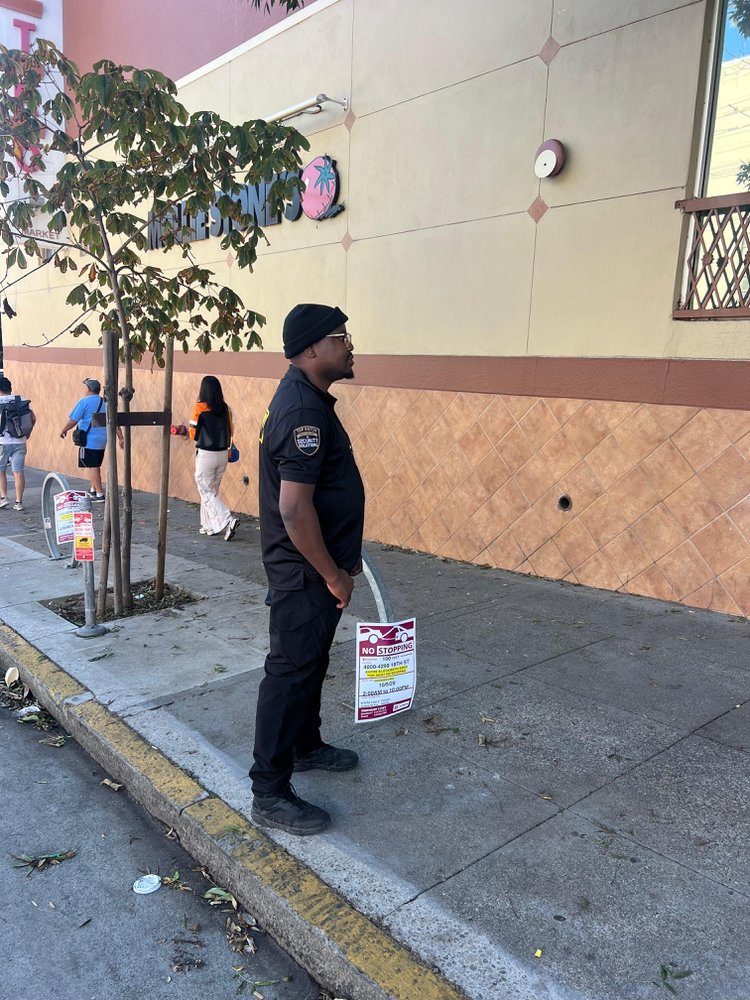
On a warehouse post, the written shift report is built around the freight.
Truck log: carrier, driver, trailer and seal numbers, times in and out.
Yard check times, with open doors or broken seals called out.
Cage entries compared with the key log.
Exceptions: refused pickups, mismatched paperwork, unknown visitors.
Safety problems such as blocked exits or damaged racking.
Officer name and guard card number on every report.
From Ventura to San Bernardino, our licensed officers and 24/7 dispatch protect five Southern California regions. Click a pin or county on the map to see every city we cover.
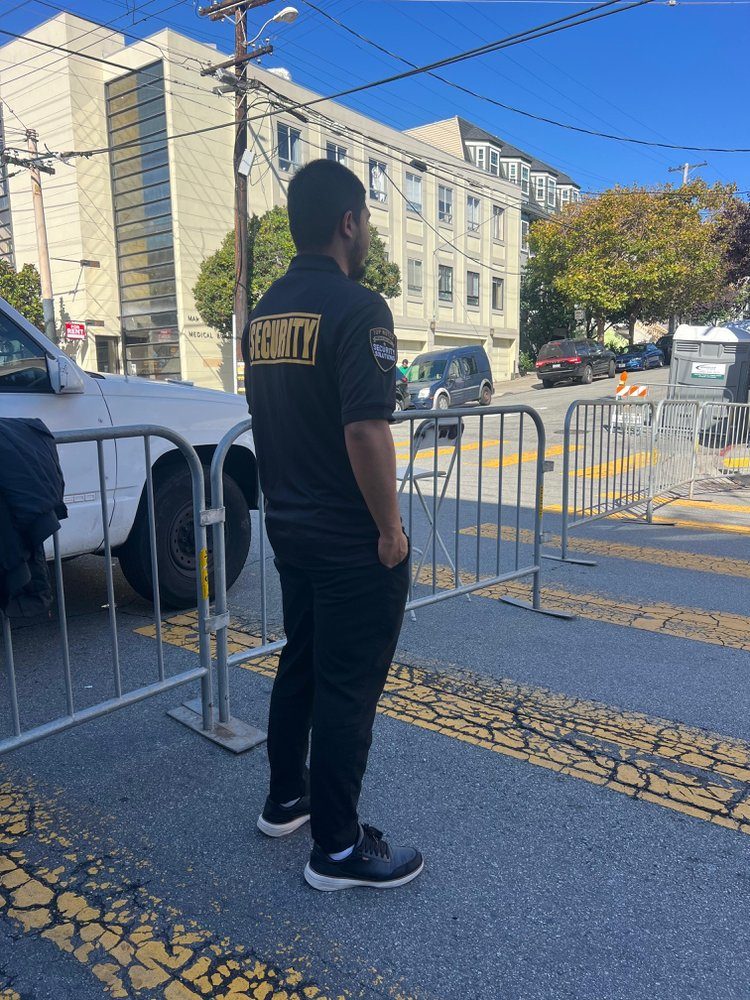
Tell us your receiving hours, how many dock doors you run and what sits in the yard overnight. We will walk the building and quote each post in writing.
Get a Free Quote