Loss prevention officers from CAL Security Group work on both kinds of retail shrink: product that walks out the front door and product that leaves through the stockroom, the register or receiving. They follow your stop policy and California law.
Shrink is the gap between what your inventory system says and what is on the shelf. Some of it is shoplifting and organized crews. Some of it is internal: a cashier who under-rings a friend, refunds with no customer present, a clerk who signs for 20 cases when 18 came off the truck.
A uniformed officer near the entrance changes what outside thieves try. Internal loss needs an officer who knows your refund, void and receiving procedures. Our officers hold guard cards from the Bureau of Security and Investigative Services (BSIS); the first 8 hours of that training include Powers to Arrest.
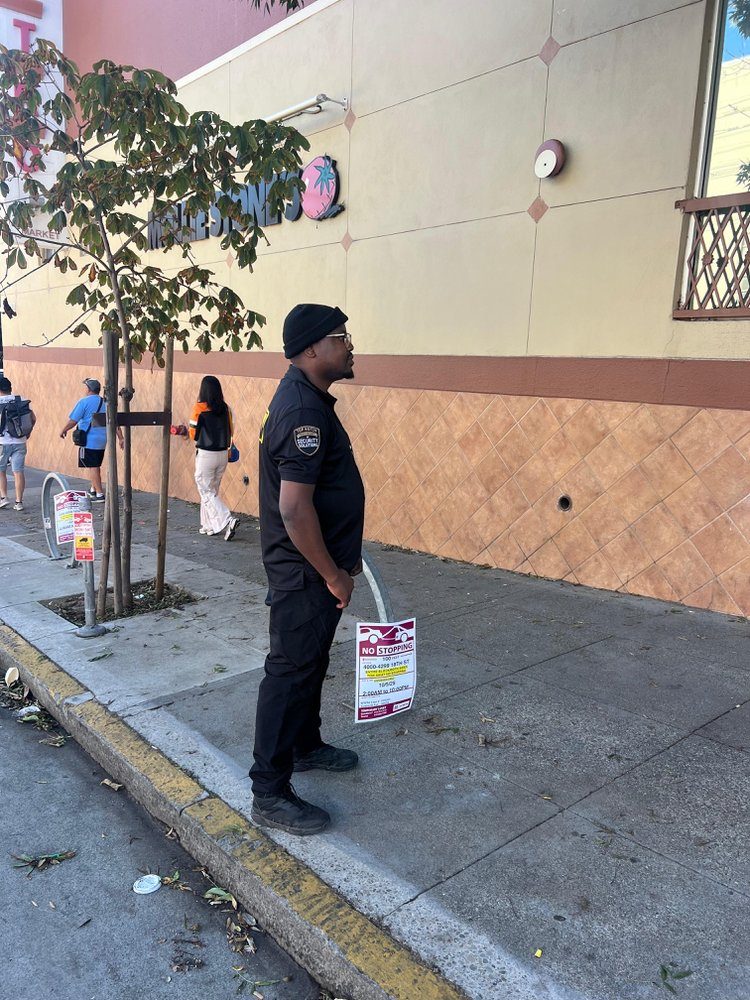
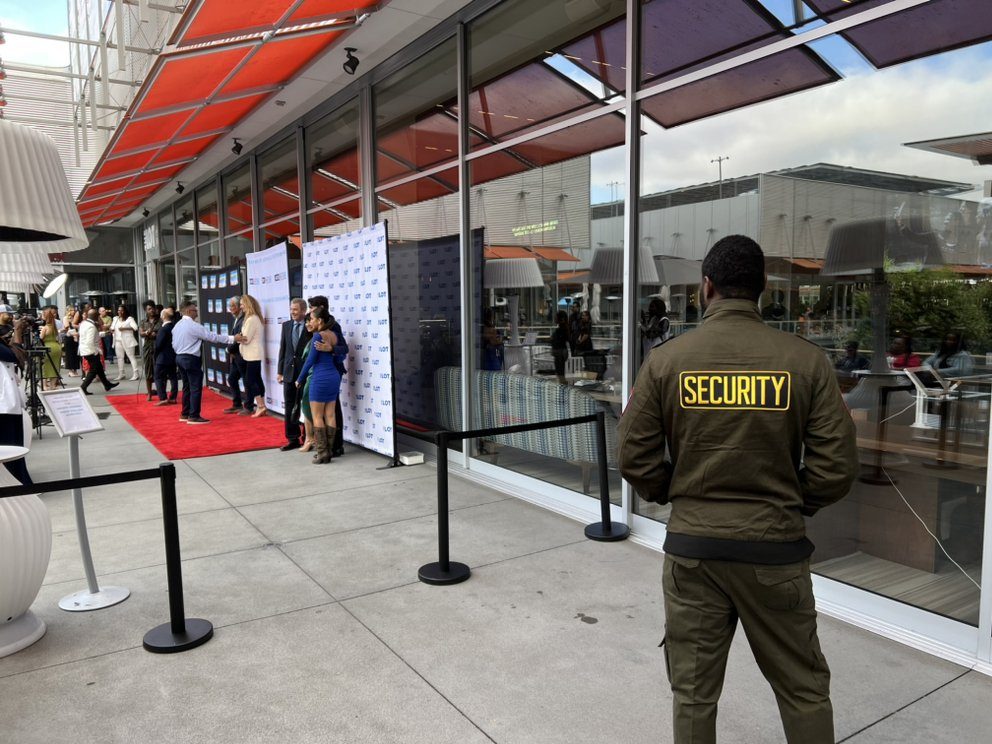
Post orders for a store name the doors, the aisles and the procedures the officer watches.
Cover for the hours a floor officer does not reach.
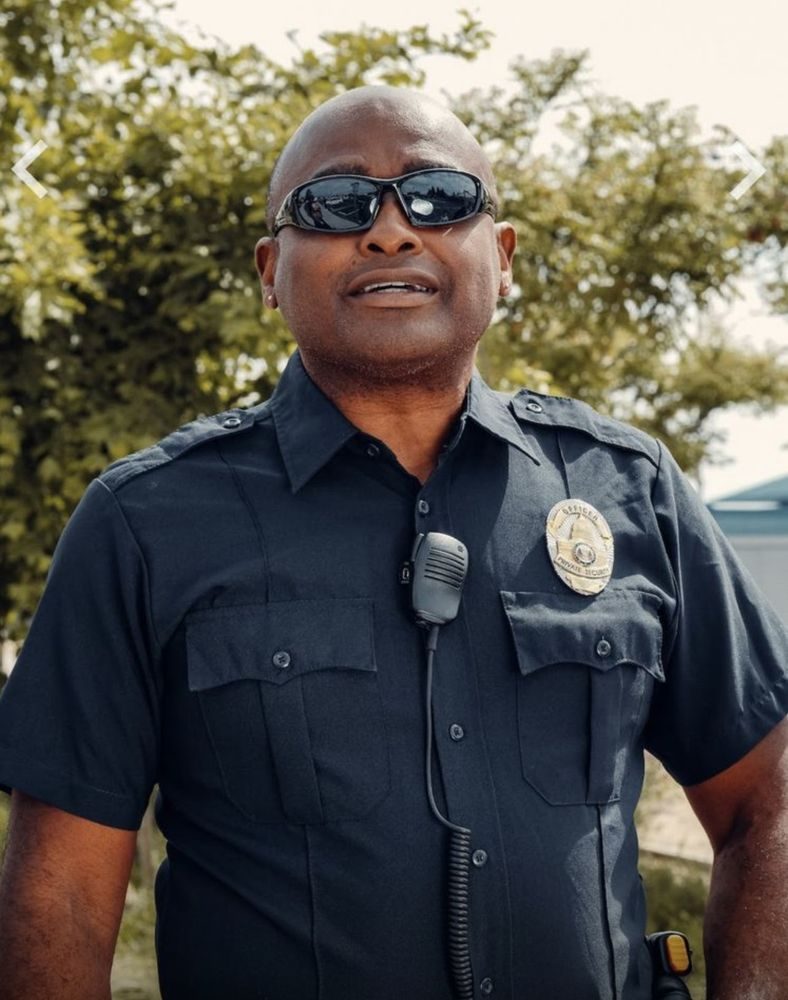
A uniformed door officer when the goal is deterrence more than detection.
↗
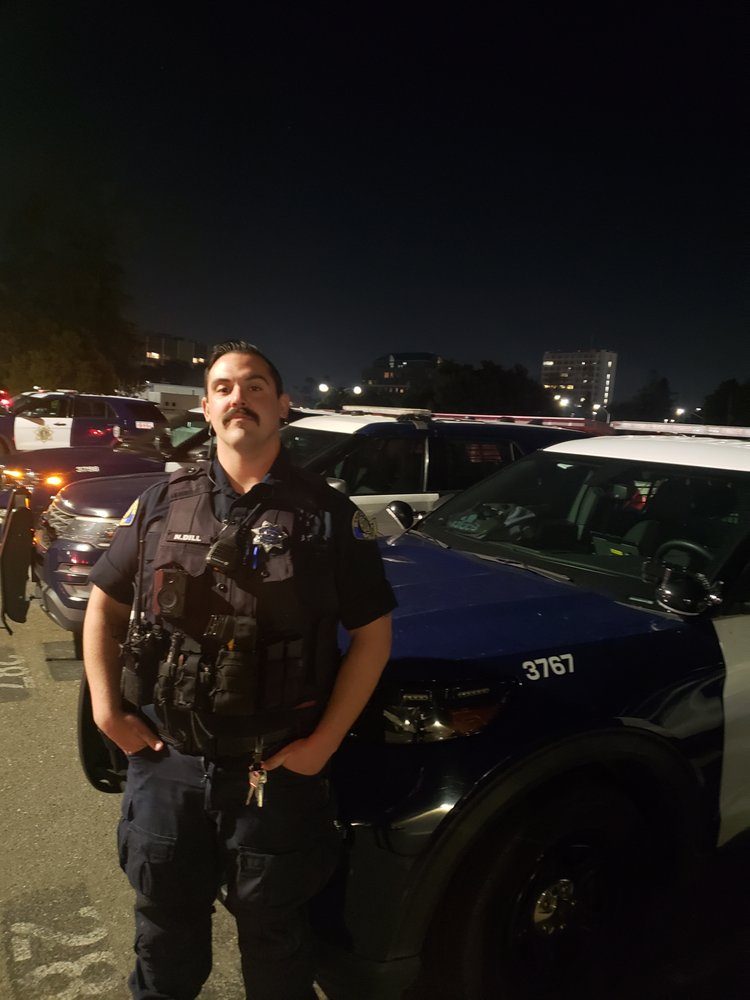
Extra officers for the holiday season, a remodel or a closing sale.
↗
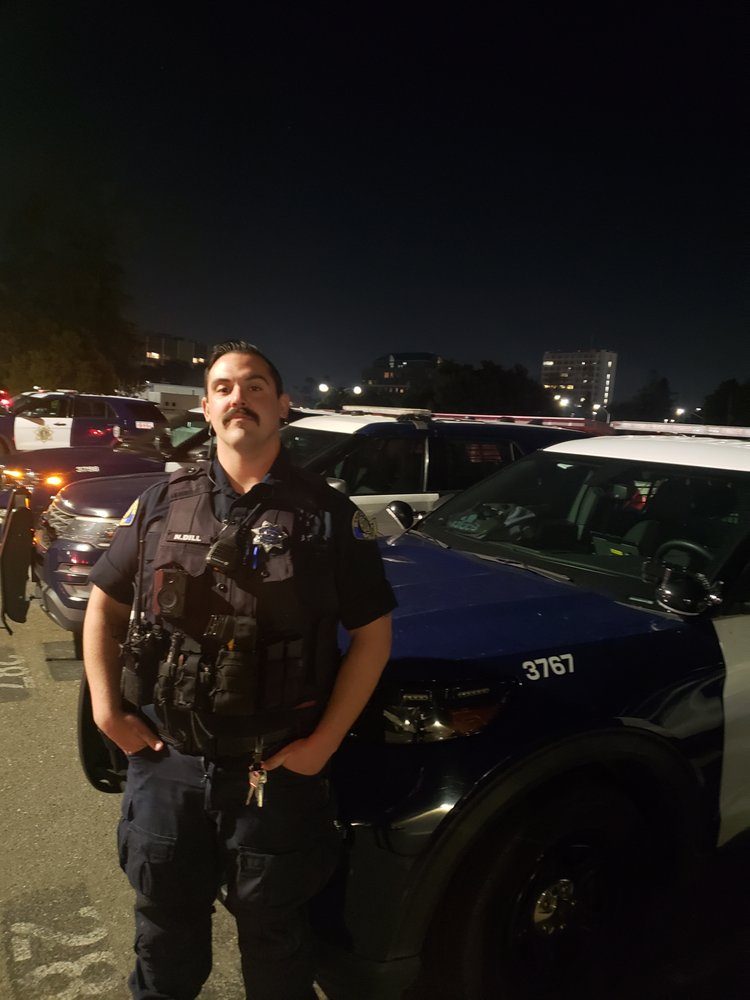
Closing checks with the manager and a response when the alarm trips overnight.
↗
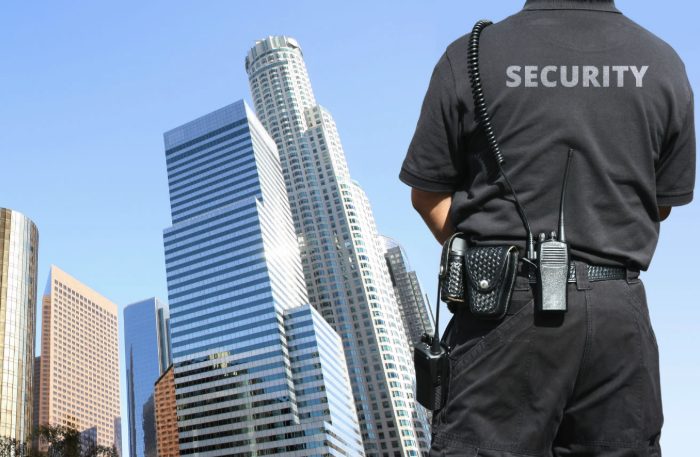
Parking lot patrols at shopping centers after the stores close.
↗
Gate and dock control at the distribution center that ships to your stores.
↗Call with your recent shrink numbers. We will walk the store and quote a post around what we find.
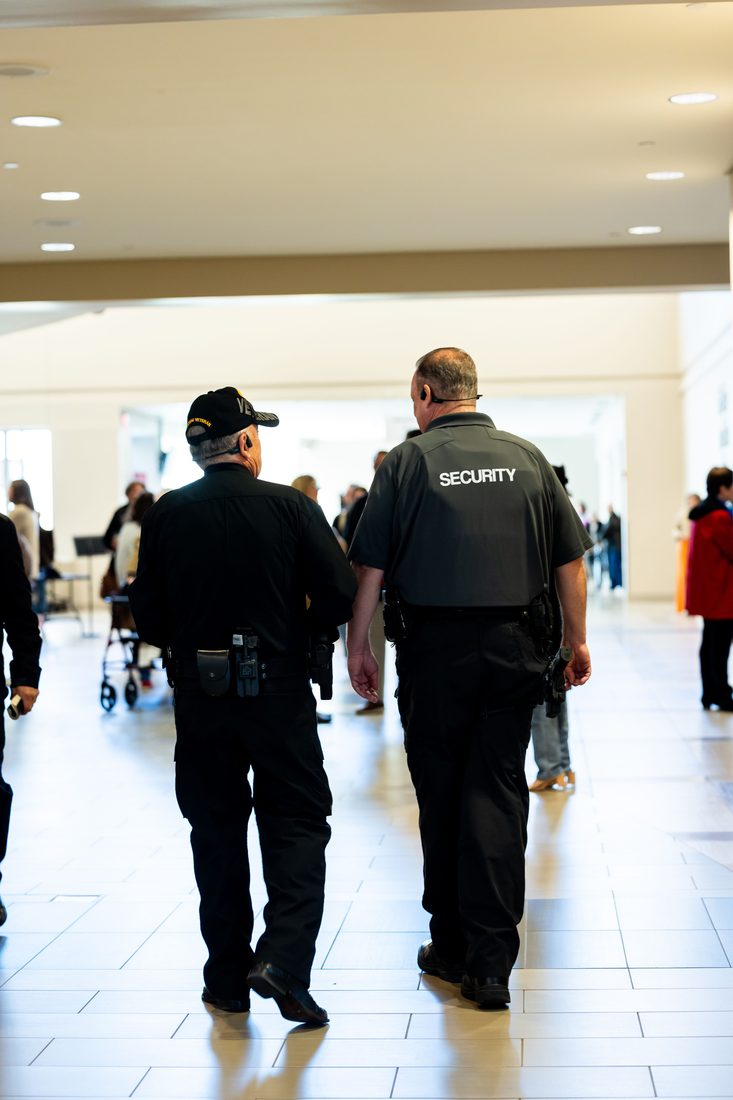
A merchant, including the merchant's employees and agents, may detain a person for a reasonable time to investigate when there is probable cause to believe the person is taking or has taken merchandise.
The detention rules come from Penal Code Section 490.5 and the hand-off rule from Penal Code Section 847. Your policy usually sets a tighter limit than the law; under a no-chase rule, our officers observe, record and report to police.
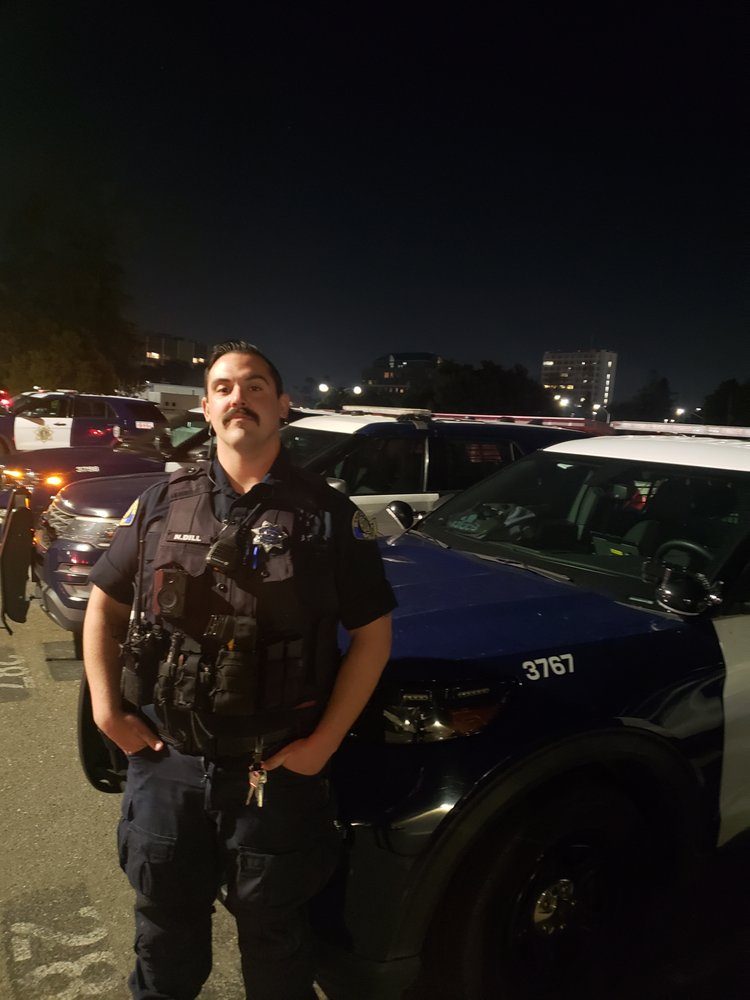
The same order every time, so the store can stand behind each stop and report.
Stop policies generally require the officer to see the selection, the concealment and the person passing the last register, without losing sight of them.
Where stops are allowed, the officer approaches past the last register, identifies as security and asks for the merchandise. Where they are not, the officer records a description, direction of travel and vehicle.
When your policy says to, and after any arrest.
Times, what was seen and recovered, who was called, any witnesses, and camera clip times where they help.
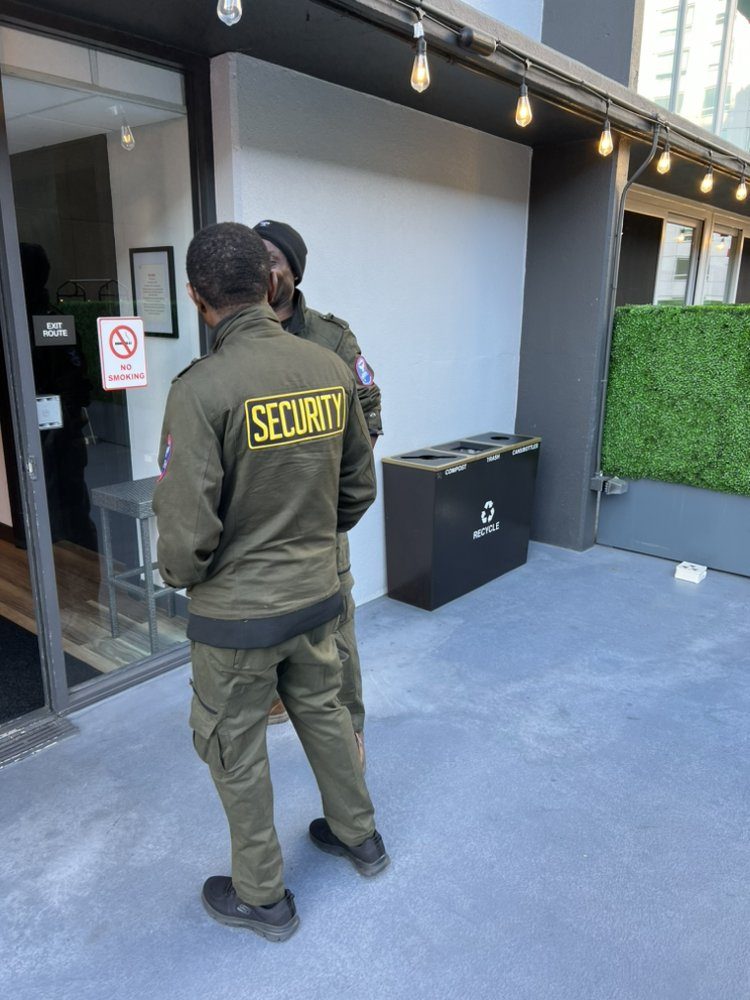
Internal theft is slower and harder to see than shoplifting, and it follows gaps in procedure.
The officer compares procedure with practice: staff leaving through the stockroom door, trash taken out unwatched, receiving signed without a count. Findings about an employee go in writing to the manager named in the post orders.
Exit bag checks help, but they cost paid time. In Frlekin v. Apple (2020), the California Supreme Court held that time employees spend waiting for and going through required exit searches counts as hours worked.
From Ventura to San Bernardino, our licensed officers and 24/7 dispatch protect five Southern California regions. Click a pin or county on the map to see every city we cover.
Tell us your store hours, your stop policy and where you think the shrink is coming from. We will visit and quote the post in writing.
Get a Free Quote