Unarmed, state-licensed officers for empty offices, closed stores, foreclosed homes and idle lots across Southern California. They check every opening, turn trespassers away before anyone moves in, and photograph the building every shift.
A dark building with nobody around gets tested fast. Once someone is sleeping inside, the problems stack up: copper stripped from the walls, warming fires, dumping, and an argument over whether the person is a trespasser or a tenant. The cheap moment to stop that is the first night someone tries a door.
CAL Security Group posts unarmed officers licensed by the Bureau of Security and Investigative Services (BSIS) at vacant commercial and residential property in Los Angeles, Orange, San Bernardino and Ventura counties and the San Fernando Valley.
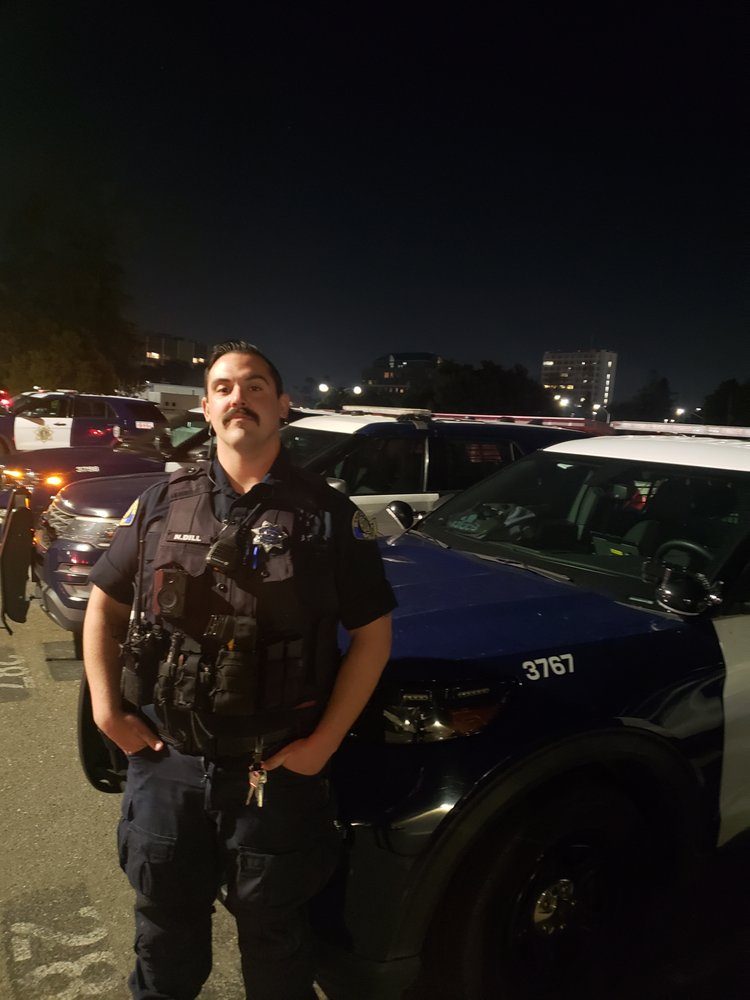
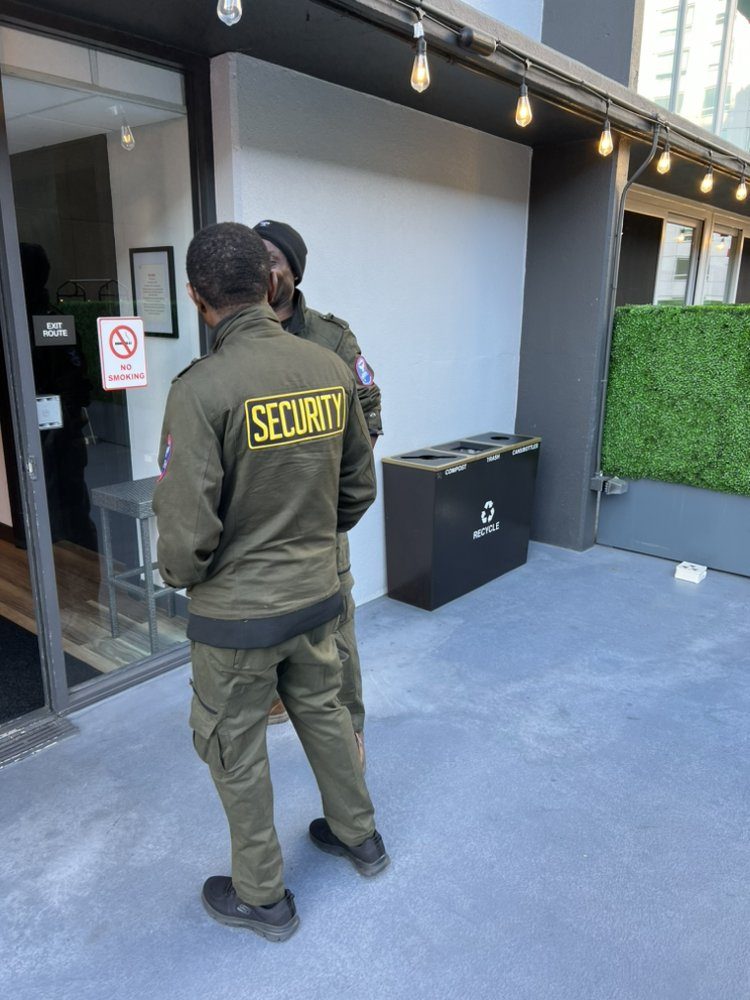
Most of the damage at a vacant property starts with one unsecured opening that nobody noticed.
The mix changes as a property moves toward sale, demolition or a new tenant.

Standing officer overnight or around the clock for a building already entered once.
↗
Visits at varied times that check every opening and photograph the condition.
↗
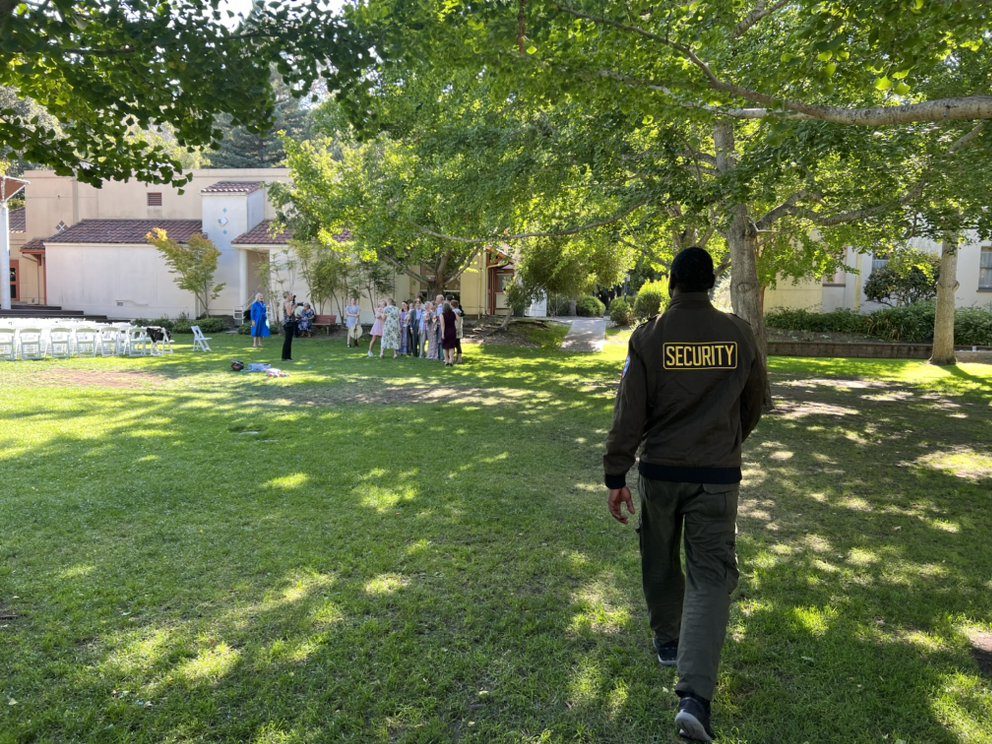
Officer sent to an intrusion alarm, with a full walk-around.
↗
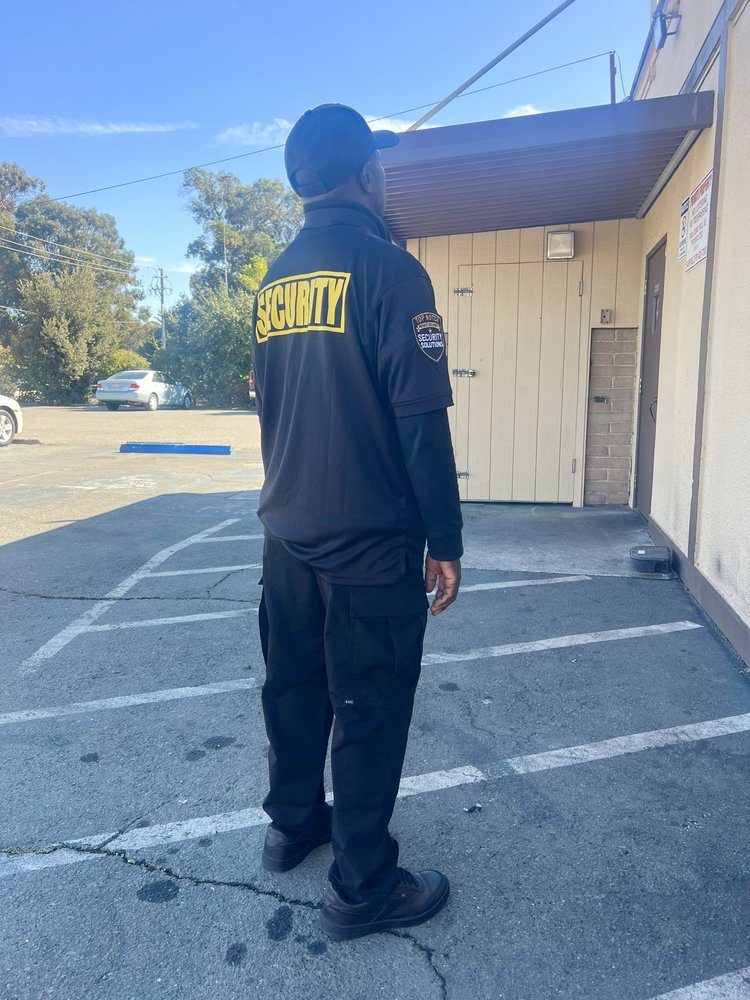
Fire watch while the fire alarm or sprinklers are out of service.
↗
Coverage once the lot or building becomes a demolition job.
↗
Short posts between tenants or during escrow.
↗Call your local police, then call us. Our officers do not remove occupants, but a post on site stops more people getting in while the legal process runs.
Vacant post orders start with a photo record of the building on day one, so every later change shows up.
Doors, windows, roll-up doors, roof hatches, boarded openings, fence and gate. A pried board or a lock that is not yours gets a photo.
Anyone on the property is told it is private and asked to leave. The officer logs time and description, and calls police if the person refuses or comes back.
Bedding, food, a new padlock or an extension cord run to a neighbor mean someone is staying. The owner hears about it that shift.
Running water, a gas smell or a sparking panel goes to the utility or fire department first, then to the owner.
Pallets, trash and dumped furniture against the walls are reported for removal. Smoke goes straight to 911.
The same points each shift: front, rear, roof access and any opening tried before.

A written report with the officer and guard card number, time on and off, each round with its time, and each incident with the response. Vacant posts add:
Openings found forced, loose or open.
People on the property, with times and descriptions.
Occupancy signs and locks that are not yours.
Water, gas and electrical hazards.
Dumping, graffiti and code notices posted.
Photos of the same points, every shift.

California Fire Code Section 311 requires whoever owns or controls a vacant building to keep openings locked or secured against entry and to clear out combustible waste. In Los Angeles, city code treats a vacant building open to entry as a public nuisance. The Department of Building and Safety can order it fenced and barricaded, and if the owner does not act, the city can secure it and bill the owner.
Insurance runs on its own clock. Standard commercial property policies limit coverage for vandalism, theft and some water damage once a building has sat vacant more than 60 consecutive days. Ask your broker about a vacancy permit before that date.
An officer does not replace boards, fences and locks. The officer confirms they are still holding, and keeps the dated record that proves it.
From Ventura to San Bernardino, our licensed officers and 24/7 dispatch protect five Southern California regions. Click a pin or county on the map to see every city we cover.

Bring keys for every door, the utility and fire system status, and the owner call list. If your police department accepts trespass authorization letters, bring a signed one.
Tell us the address, how long the building has been empty and whether anyone has been inside. We quote patrol visits and standing posts separately.
Get a Free Quote