A licensed officer at your front desk who signs visitors in, checks them against the tenant's approval, takes deliveries, and keeps the lobby door from becoming the easy way in.
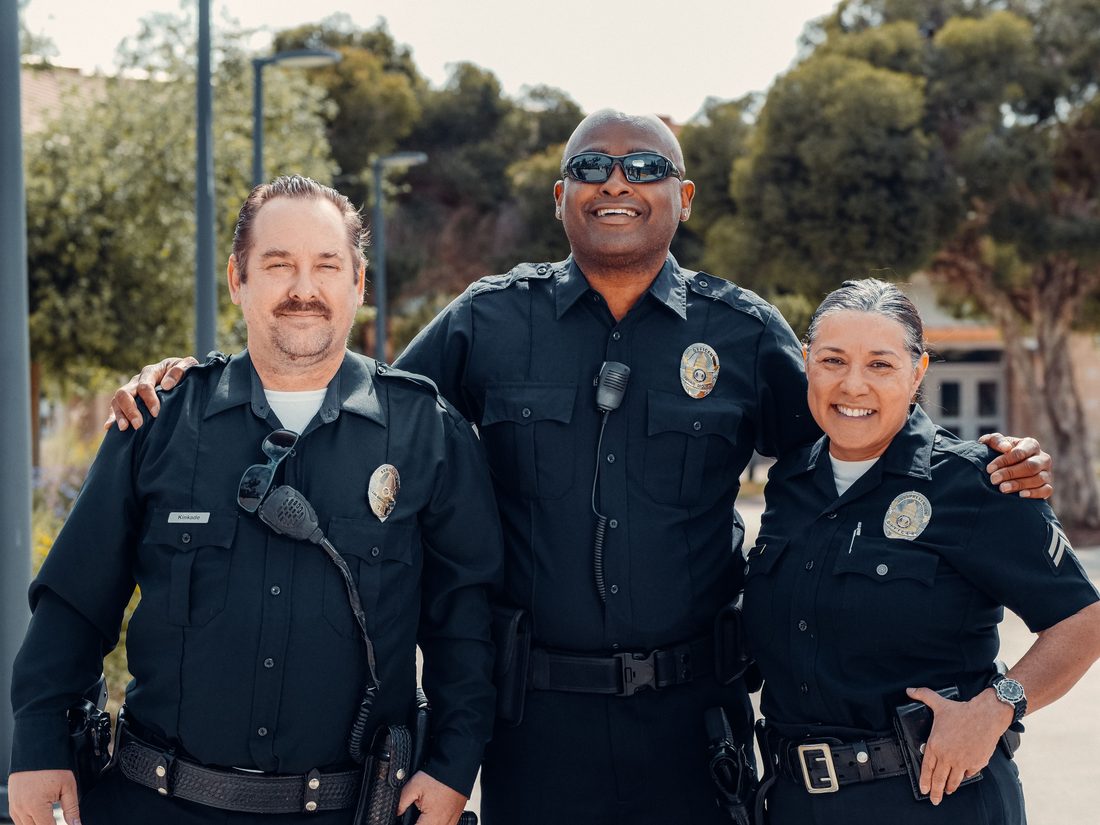
Reception and concierge security puts a licensed officer at the front desk to control who gets past the lobby, while handling the visitors, deliveries and residents a receptionist would.
Most visitors are exactly who they say they are. The officer's job is to be pleasant to all of them and still stop the one who is not.
In an office tower that means checking a guest against the tenant's list before issuing a pass. In an apartment or condominium building it means knowing residents by face, logging move-ins, and not buzzing in a stranger who says they are visiting a friend upstairs.
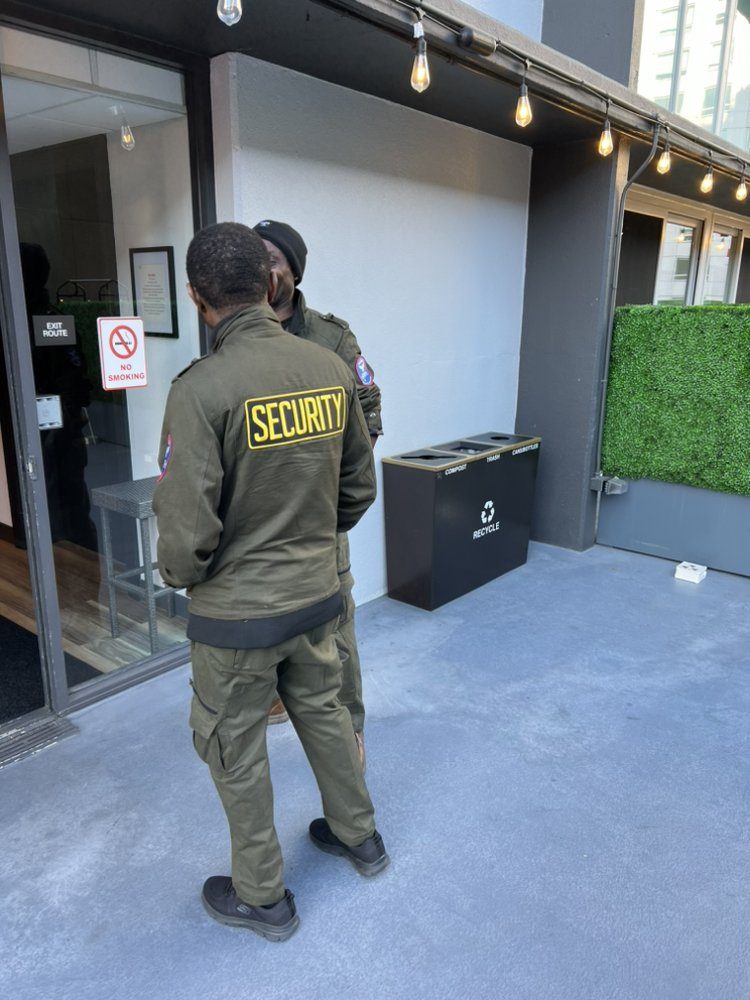
Checks ID against the host's approval, calls up, issues a pass, and logs the name, the host, and the time in and out.
Couriers and food drivers wait at the desk or go up only under the building's rules. Packages are logged in and signed out.
Watches for tailgating: the person who follows an employee through the door without badging.
Reports lost cards to the building's access administrator and keeps the log for vendor and contractor keys.
Signs in cleaners, contractors and tenants working late, so the building knows who is inside when the desk closes.
Keeps the name and photo of anyone the building or a tenant has barred, including a person named in a restraining order, and calls police if that person arrives.
Services that often run alongside a staffed front desk.
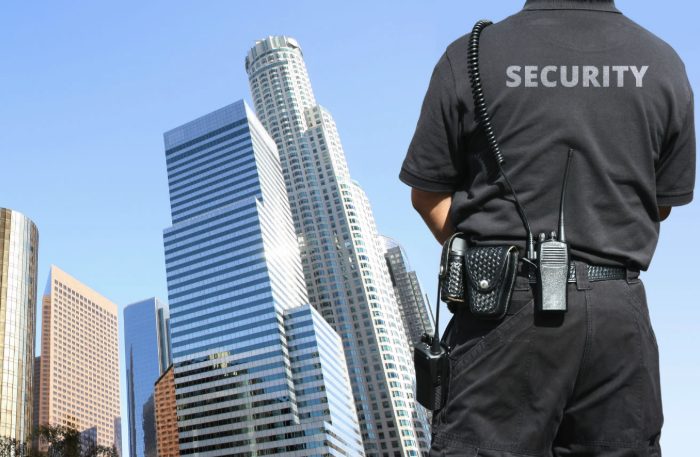
A patrol officer for the floors and garage while the desk officer stays put.
↗
Lobby, garage and stairwell camera feeds watched from the desk.
↗
Closing the building when the desk shuts for the night.
↗
Garage and perimeter checks for buildings without a night desk.
↗
Desk coverage for a layoff day, a move or a staffing gap.
↗Front desk empty since your receptionist left, or a tenant worried about someone who keeps showing up? Call and we will talk through the desk and its hours.
Since July 1, 2024, most California employers must keep a written Workplace Violence Prevention Plan under Labor Code Section 6401.9. The plan has to say how the employer responds to threats and how it accepts reports of workplace violence.
The front desk is where many of those situations first show up: the former employee at the door, the angry customer, the visitor who will not leave. Give us your plan and the desk post orders will follow it: who the officer calls, what gets written down, and where the report goes.
The post orders we write for a desk do not have the officer put hands on someone who refuses to leave. The officer asks, keeps distance, calls police and writes it up. Guard card training from the Bureau of Security and Investigative Services (BSIS) includes Powers to Arrest, a course that covers how limited a private officer's powers are.
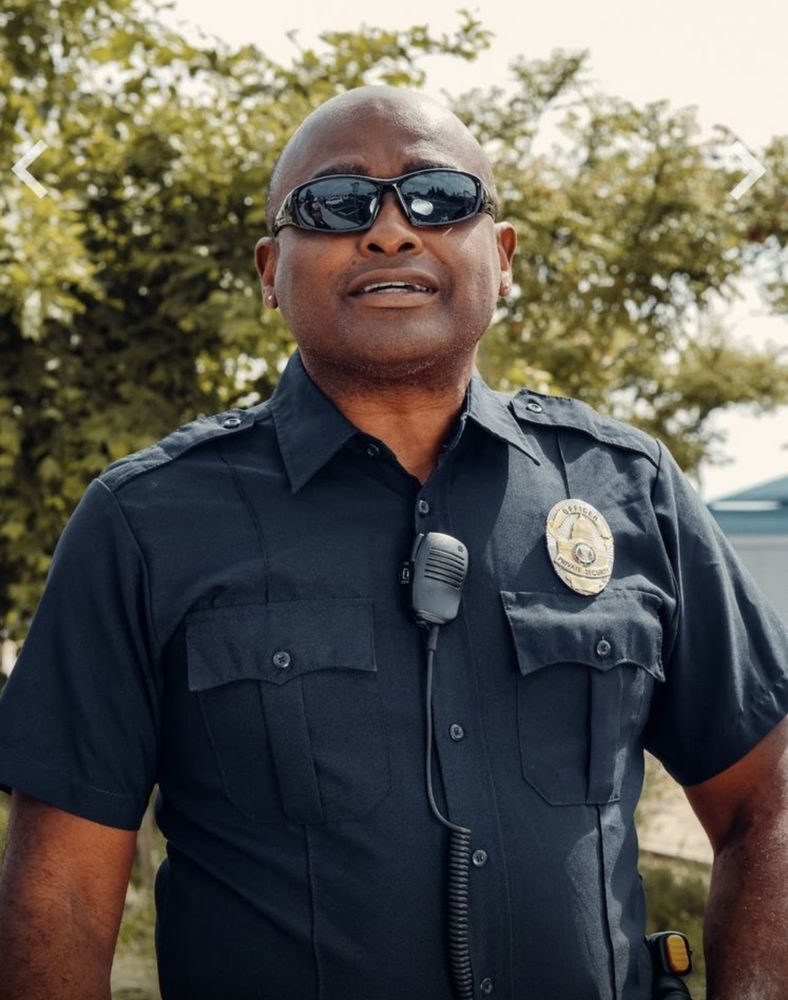
A desk staffed around the clock is 168 hours of coverage a week, more than four full-time officers' worth before anyone takes a day off. Many office buildings need much less: a desk from 7 a.m. to 7 p.m. on weekdays, with the building locked and patrolled after that.
Before the first shift we need your visitor policy, the tenant or resident contact list, the delivery rules, and an account on your visitor or access system if you use one. The shift report lists visitors and incidents where the post calls for it.
From Ventura to San Bernardino, our licensed officers and 24/7 dispatch protect five Southern California regions. Click a pin or county on the map to see every city we cover.
Tell us the building, the desk hours and your visitor rules. We walk the lobby with you and send a written quote broken out by post.
Get a Free Quote