An unarmed officer at your lobby, gate, dock or front desk who checks who comes in, walks the areas you name, and writes down what happened on every shift. Licensed by BSIS, no firearm.
The work of unarmed security guards is plain and specific. The officer opens the post at the time in the post orders, then works the entry: who is expected, where a vendor signs in, which door stays locked after 6 p.m. Between arrivals the officer walks the areas the orders name, such as a parking level or a pool gate, and logs each round with its time.
CAL Security Group staffs unarmed officers only. An armed post in California needs a separate BSIS firearm permit, and most offices, apartment buildings and warehouses in Los Angeles County do not need one.
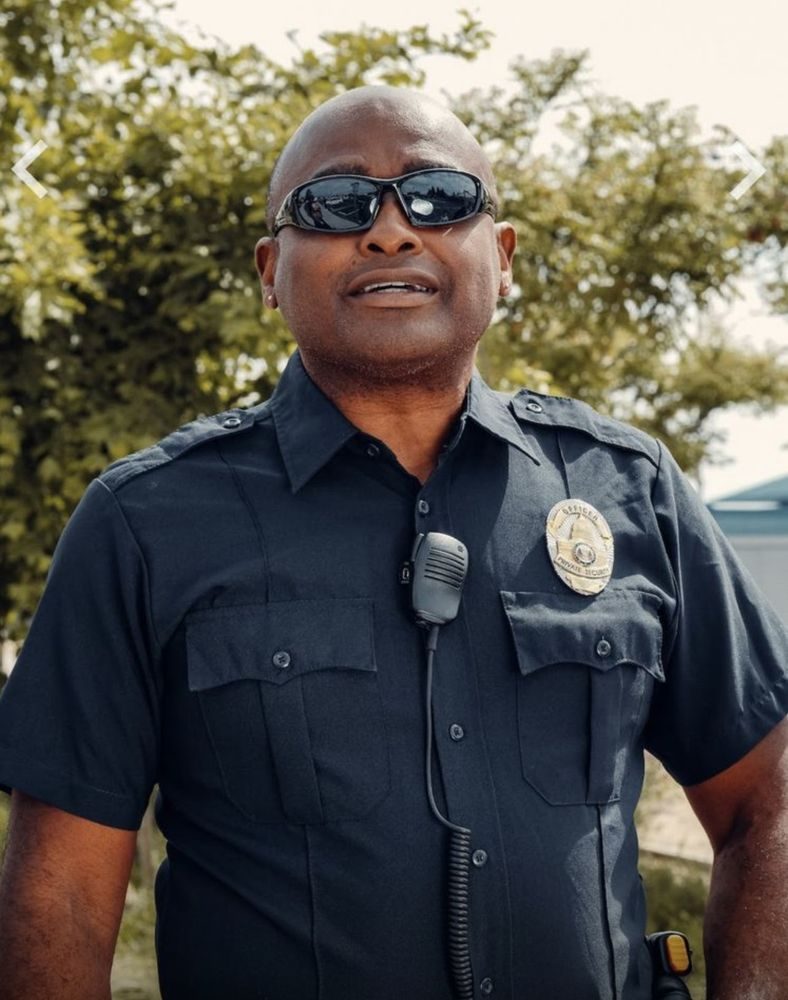
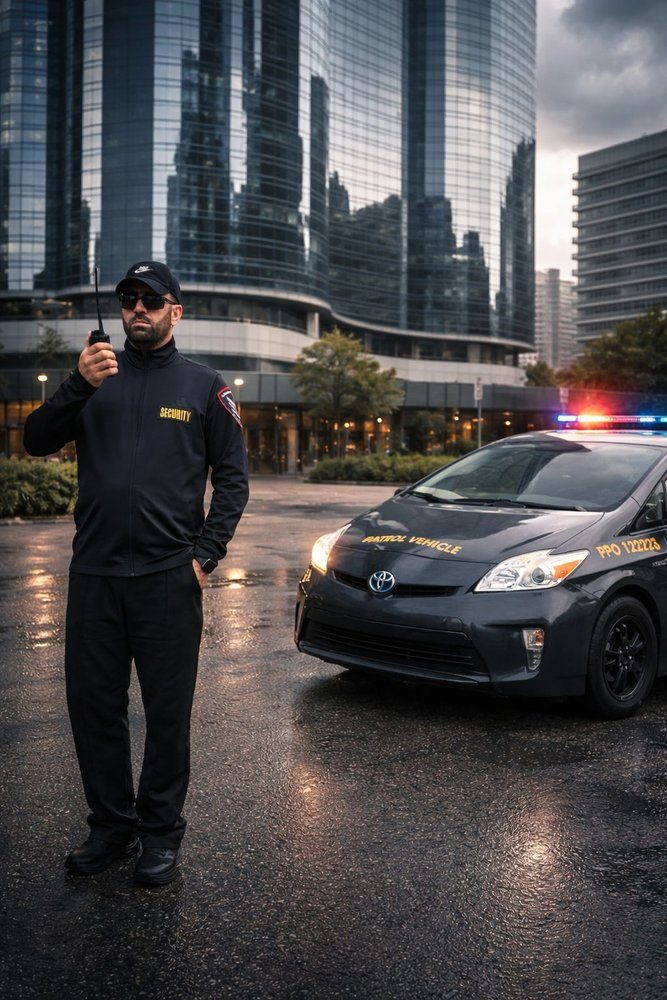
A fixed post, also called a standing or static post, keeps one officer at one spot for the whole shift. It fits when the risk sits in one place: a lobby with a single public entrance, a truck gate where drivers queue, a front desk that hands out badges.
One officer holds one post. Covering the lobby while someone checks the garage takes two posts, or one post plus a patrol visit.
Private security guards are officers employed by a licensed private company or by the property itself, not by a police agency. California treats the two routes differently.
A Private Patrol Operator (PPO) licensed by BSIS employs the officer and must carry at least $1,000,000 in general liability per occurrence (Business and Professions Code Sections 7583.39 and 7583.40). Covering a sick call is the company's problem. CAL holds a PPO licence, and written proof of it reaches you before the first shift.
Uniformed guards you hire yourself count as proprietary private security officers. Each registers with BSIS, the employer registers too, and each officer is owed 16 hours of training within six months. Call-outs and liability stay with you.
A security officer has the arrest powers of any private person under Penal Code Section 837 and must hand anyone detained to police without unnecessary delay (Section 847). For most properties the post orders say observe, report and call.
Every CAL officer holds a BSIS guard card: 8 hours of training before registration, 16 more within 30 days and 16 within six months, fingerprints cleared by the California DOJ and FBI, then 8 hours every year.
What owners most often add around a single unarmed post.
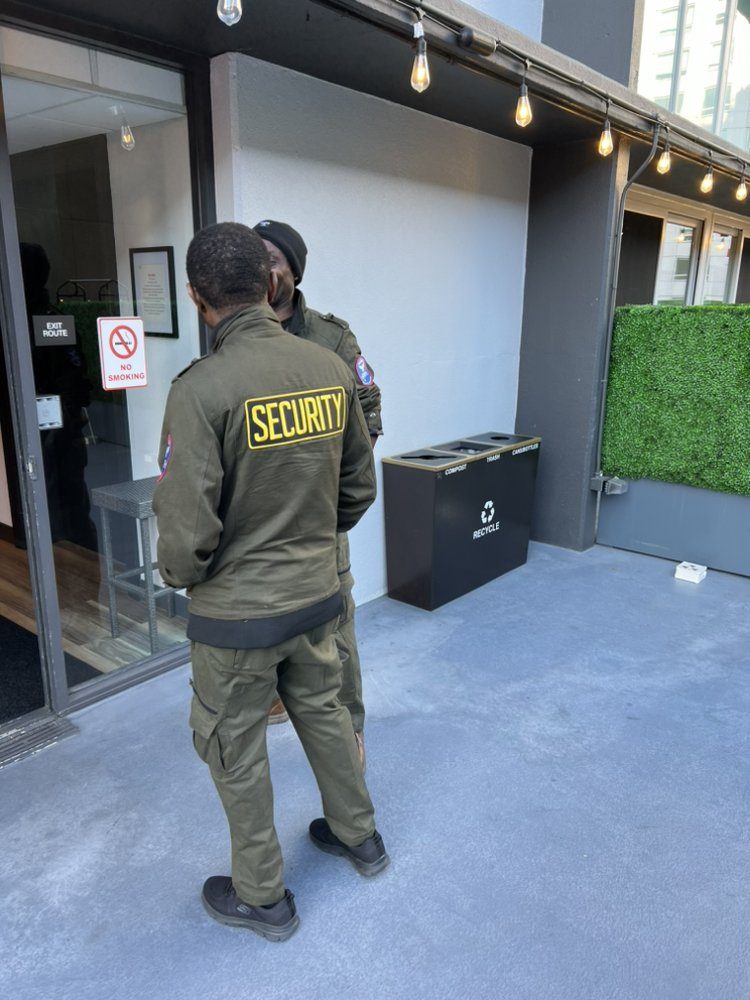
A front-desk officer who greets guests and runs the visitor log.
↗
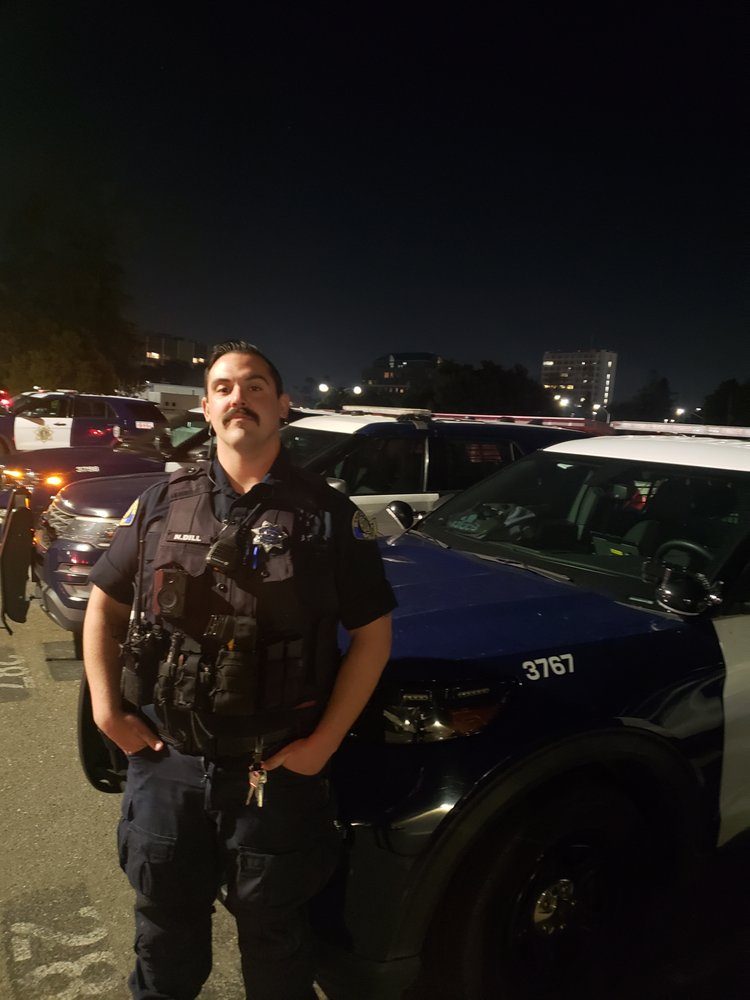
Timed visits for the hours when a full-time post would sit idle.
↗
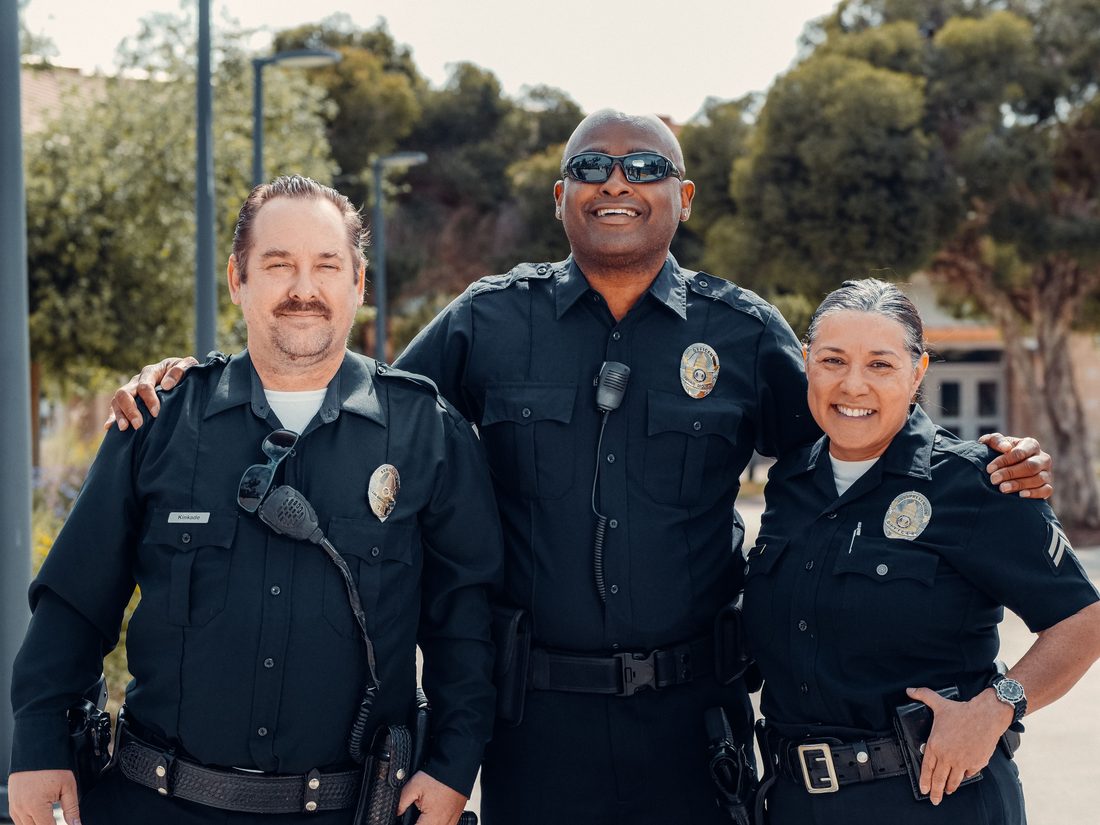
Night closing and a response when the alarm company calls.
↗
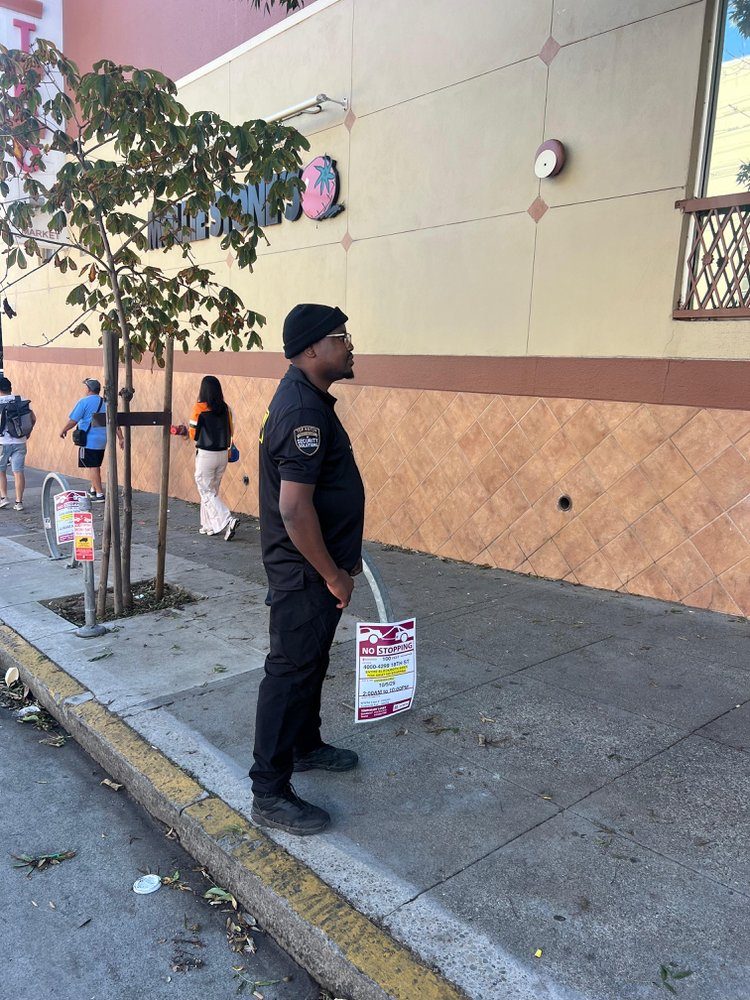
Cover for a move-in, a tenant dispute or a gap in staff.
↗
Officers on the sales floor working with store managers.
↗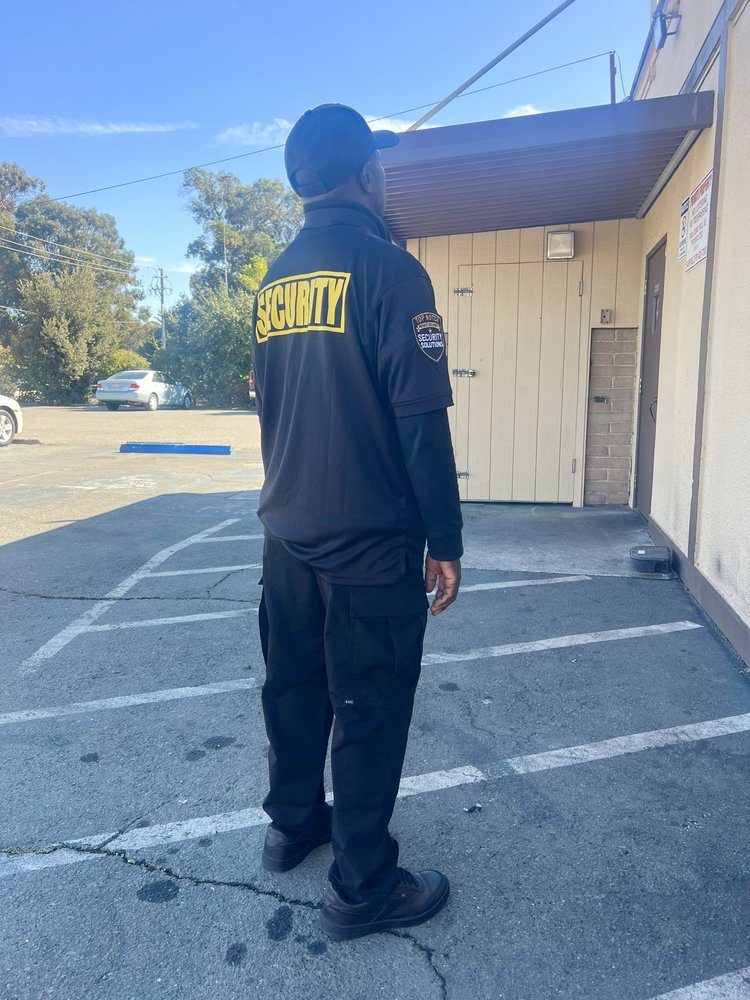
A gate officer who logs trucks, crews and material drops.
↗Call with the address, the hours and the doors that matter. We walk the site at no charge and quote each post separately.
Start and end times, who relieves whom, and where the keys and visitor log live.
Which doors are public, what ID counts, and what to do with someone who refuses to sign in.
Which areas get walked and what gets checked: doors, gates, lights, stairwells, trash enclosures.
911 for an emergency, your manager for a leak, a CAL field supervisor for anything else.
The post orders reach you in writing before the first shift, and the officer is briefed on them. After each shift you get a written report: officer name and guard card number, time on and off, every round with its time, incidents with the action taken, and safety problems worth fixing. Field supervisors visit posts unannounced.
From Ventura to San Bernardino, our licensed officers and 24/7 dispatch protect five Southern California regions. Click a pin or county on the map to see every city we cover.
Send the address, the hours you need covered and the doors or gates that worry you. We walk the site and quote each post on its own line.
Call for a Quote