Licensed officers on your property who watch your camera feeds and respond to what the cameras and alarms show. We staff the watch on site. We do not sell remote or central-station monitoring.
Our 24-hour surveillance service puts a licensed officer at a monitor on your property, watching your CCTV feeds and going out to check what they show.
A recorder only tells you what already happened. An officer at the console sees a person climbing the back fence of a truck yard, a car idling at the dock after close, or a door that should be shut, while there is still time to act.
The cameras, recorder and monitors stay yours or your installer's. We staff the watch. Every officer holds a guard card from the Bureau of Security and Investigative Services (BSIS).
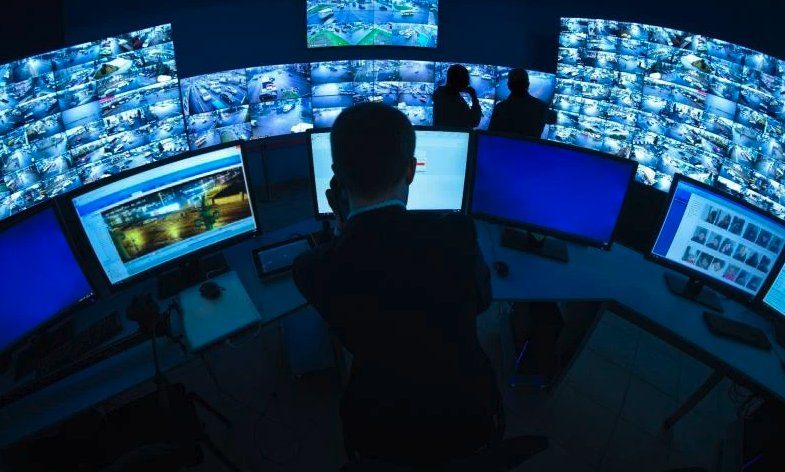
Works through the views that matter at that hour: gates, docks, fence lines, the lobby, the garage. The post orders name the priority cameras for day and for night.
Goes to see what a camera shows, or sends the patrol officer, and calls police when a crime is in progress.
Writes down the time, the camera name and what was seen, so whoever holds export rights can pull the clip later without scrubbing hours of video.
Reports any camera that is offline, blocked, knocked out of position, or blinded at night by glare or a spider web.
Services that pair with an officer watching the cameras.
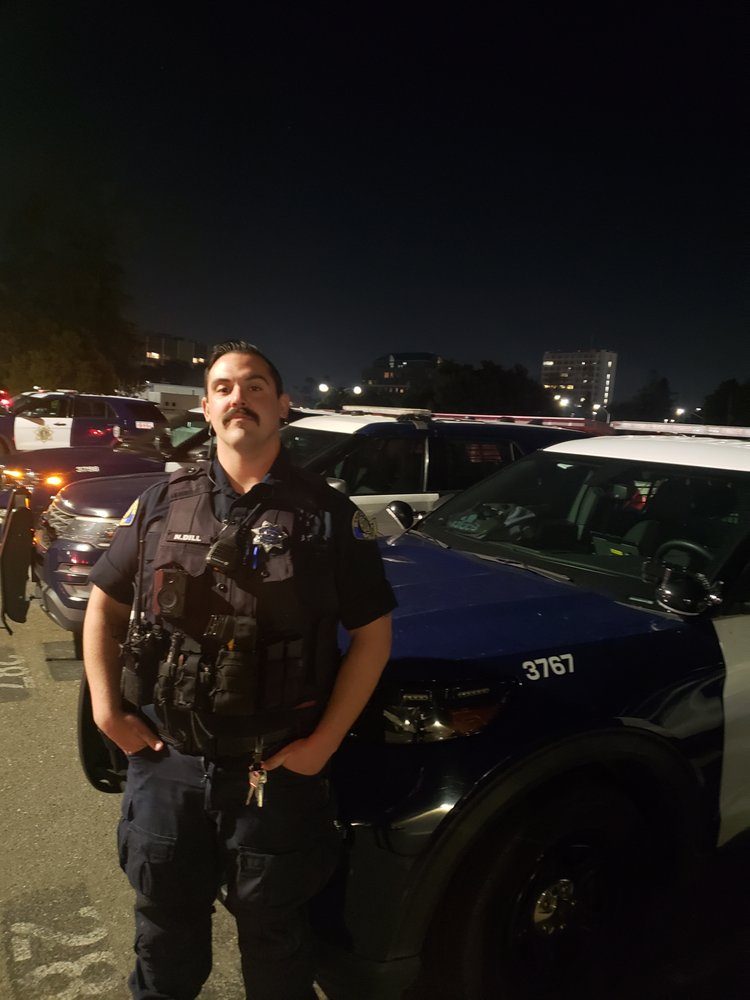
An officer at the site when your monitoring company calls with an alarm.
↗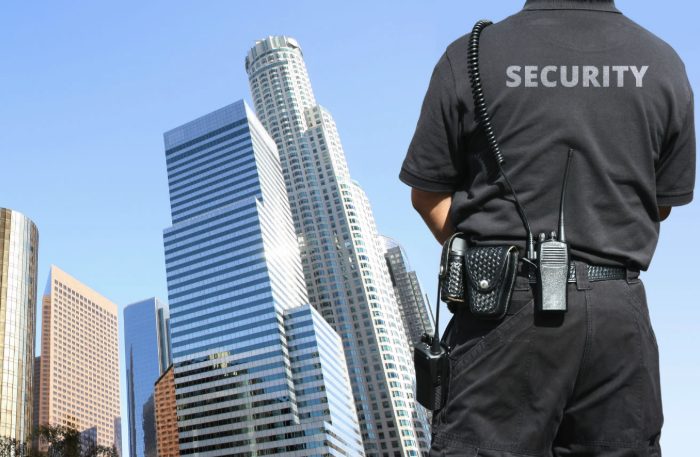
The second officer who walks out while the console stays covered.
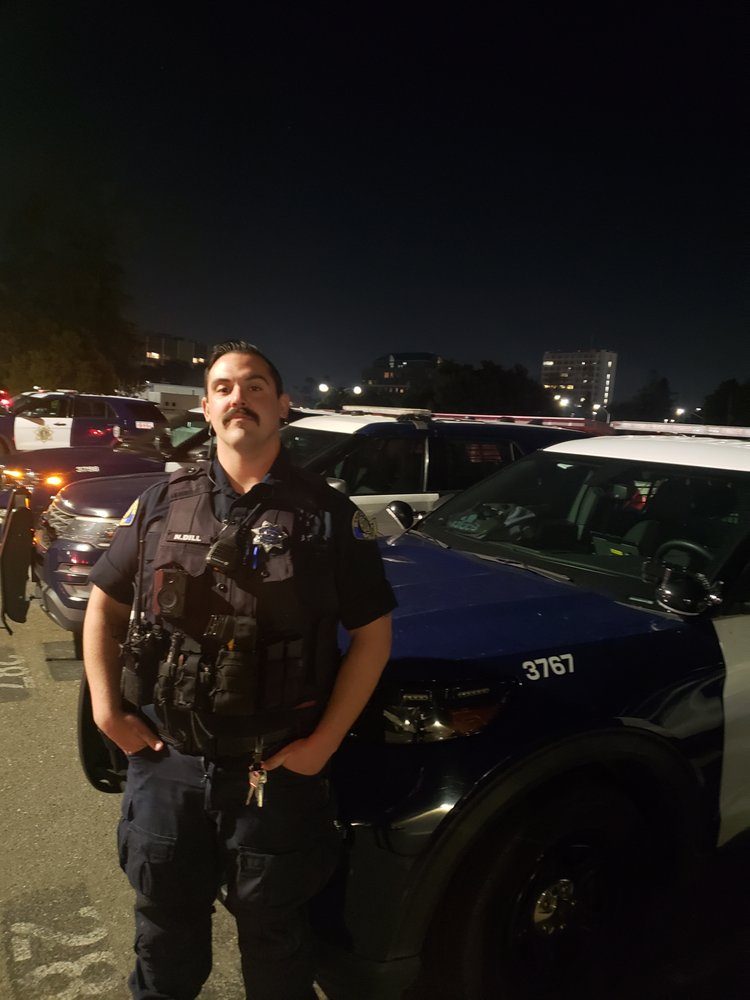
↗
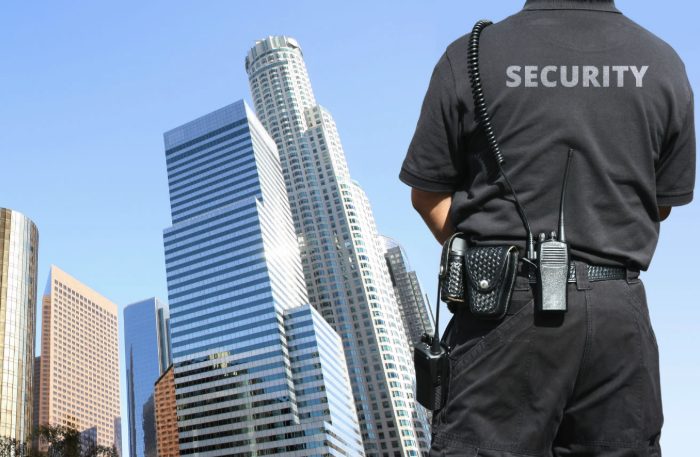
Scheduled visits for sites with cameras but no officer on site.
↗
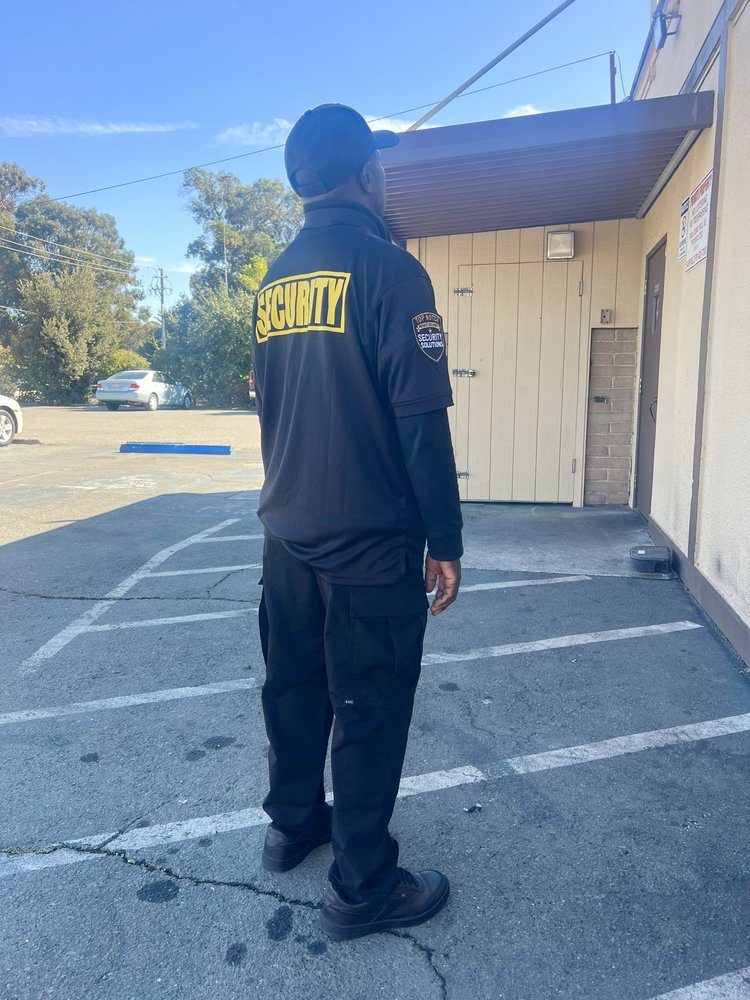
Dock, yard and gatehouse posts at distribution buildings.
↗
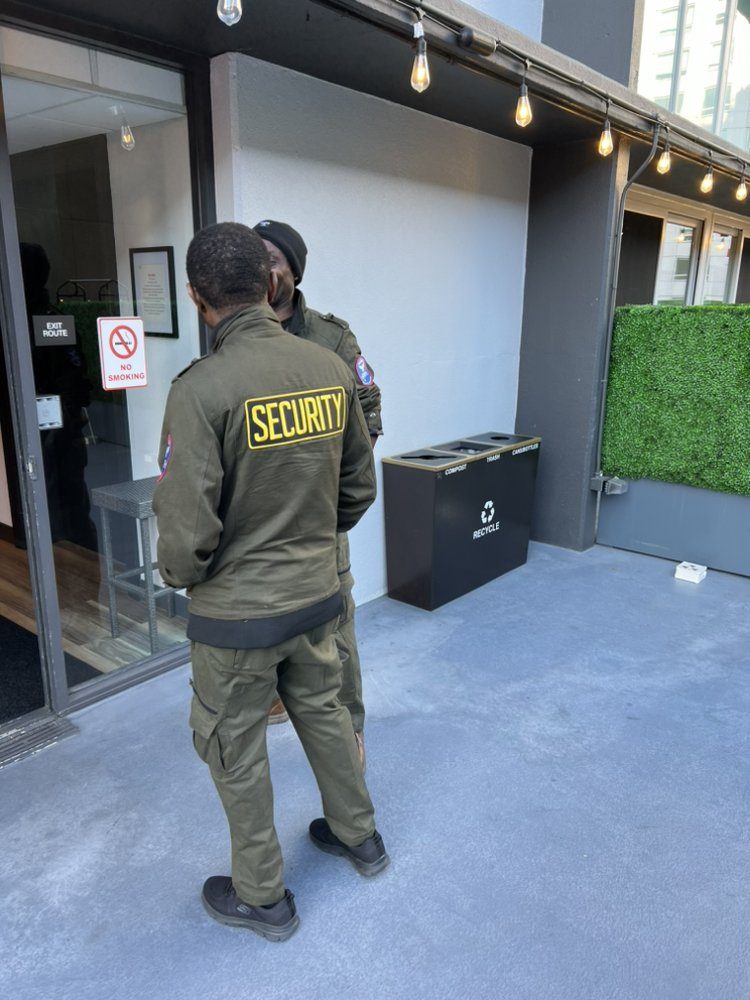
Night coverage for job sites with cameras on poles.
↗
A lobby desk that also keeps an eye on the building's feeds.
↗Cameras recording but nobody watching, or a yard that keeps getting hit at night? Call with the site address and how many cameras you run.
We do not monitor alarm systems. In California, monitoring alarm signals for a customer takes an Alarm Company Operator licence from BSIS, and CAL Security Group does not hold one. A patrol operator's officers can respond to alarms, and that is the part we do: we send a person.
Your alarm company keeps watching the panel. Put our dispatch number on its call list, and when a signal comes in the monitoring company calls us and an officer goes to the site.
Where an officer is already posted, the officer checks the zone that tripped and the cameras covering it, then reports back to the monitoring company and your contact.
The officer uses the keys or codes you provide, walks the building after an alarm, and locks it back up the way your post orders say.
Time of the call, time on site, what the officer found, and who was notified.
Monitoring and patrol are licensed separately. If one company offers you both, ask to see both licences, since the one does not cover the other. Patrol-side alarm response is covered on our lock-up and alarm response page.
An officer who walks out to check a fence line is not watching the screens, and an officer at the screens is not walking the fence.
One officer works when the property is compact and most problems end with a call to police while the officer keeps the person on camera. The system keeps recording while the officer is away from the desk.
Two officers, one at the console and one on foot or in a vehicle, fit larger sites: a truck yard in Fontana or Ontario with a long fence line, or a building with a garage, a dock and a lobby. The console officer talks the patrol officer to the exact spot by radio. We decide which fits by walking the site with your camera map in hand.
From Ventura to San Bernardino, our licensed officers and 24/7 dispatch protect five Southern California regions. Click a pin or county on the map to see every city we cover.
Send the site address, a camera list or map, and the hours you need covered. We walk it with you and send a written quote broken out by post.
Get a Free Quote