Emergency department doors, visitor desks and psychiatric holds at hospitals; check-in counters, lock-up and alarms at clinics. Unarmed, licensed officers across Los Angeles, Orange, Ventura and San Bernardino counties.
The two posts work very differently. At an acute care hospital the officer covers the emergency department (ED) entrance, the visitor desk, and rounds through parking, the pharmacy corridor and loading dock, around the clock. A medical office or clinic has no ED and no overnight patients, so the post is usually one officer near check-in during patient hours, plus lock-up and alarm response after close.
In both, talk comes first. CAL Security Group is a Private Patrol Operator (PPO) licensed by the California Bureau of Security and Investigative Services (BSIS) and places unarmed officers only. Proof of licence and insurance comes to you in writing before the first shift.
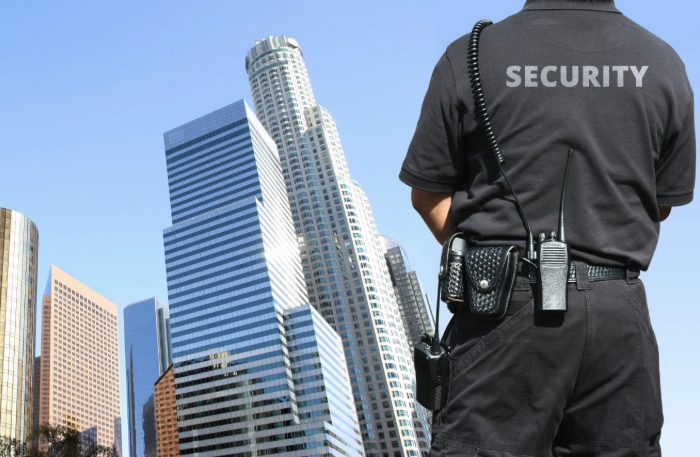

Most violence in healthcare comes from patients and the people with them, not from strangers breaking in.
Hospitals usually pair an ED post with a visitor desk; clinics need a daytime officer, after-hours coverage, or both.
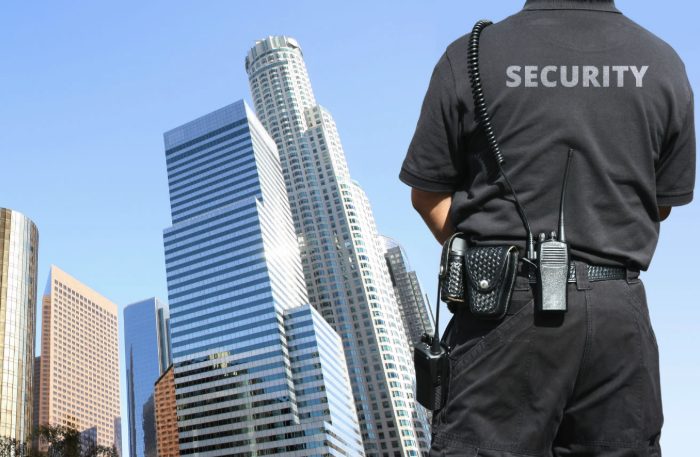
Fixed officers for an ED entrance, a patient sitter post or a clinic waiting room.
↗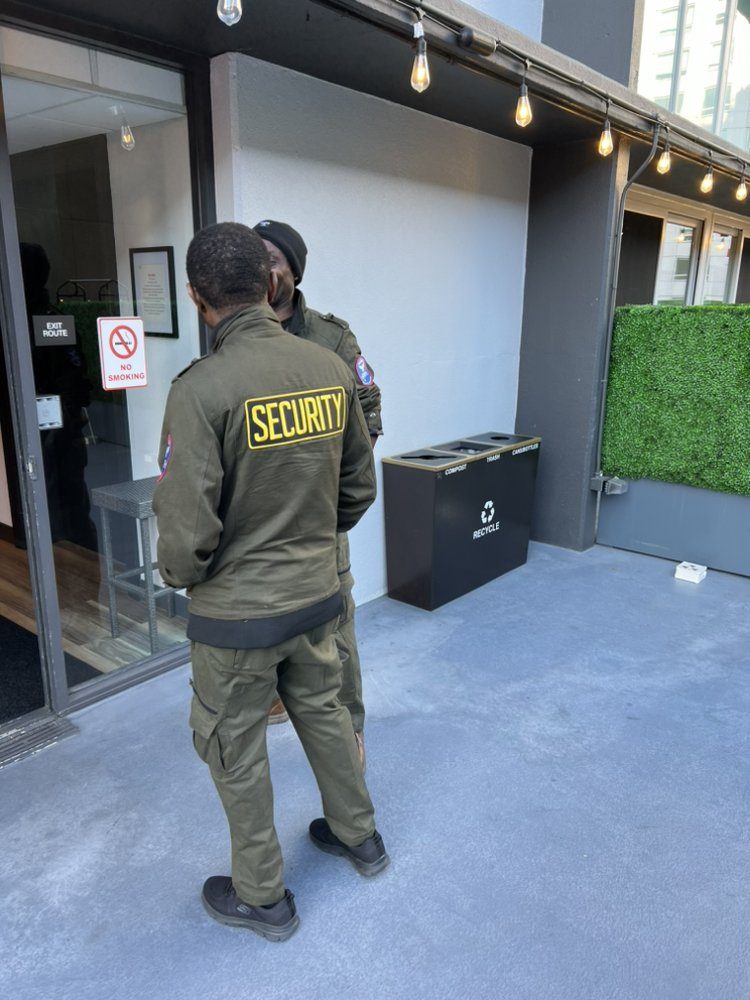
Visitor desks at hospitals and medical office buildings: photo ID, badge and the do-not-admit list.
↗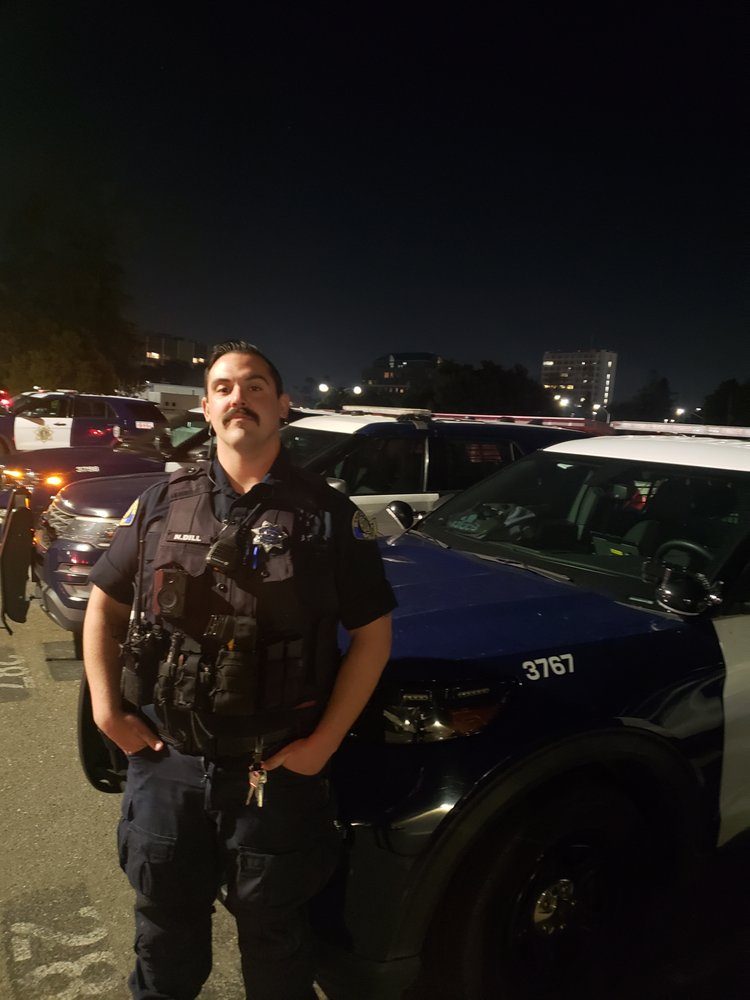
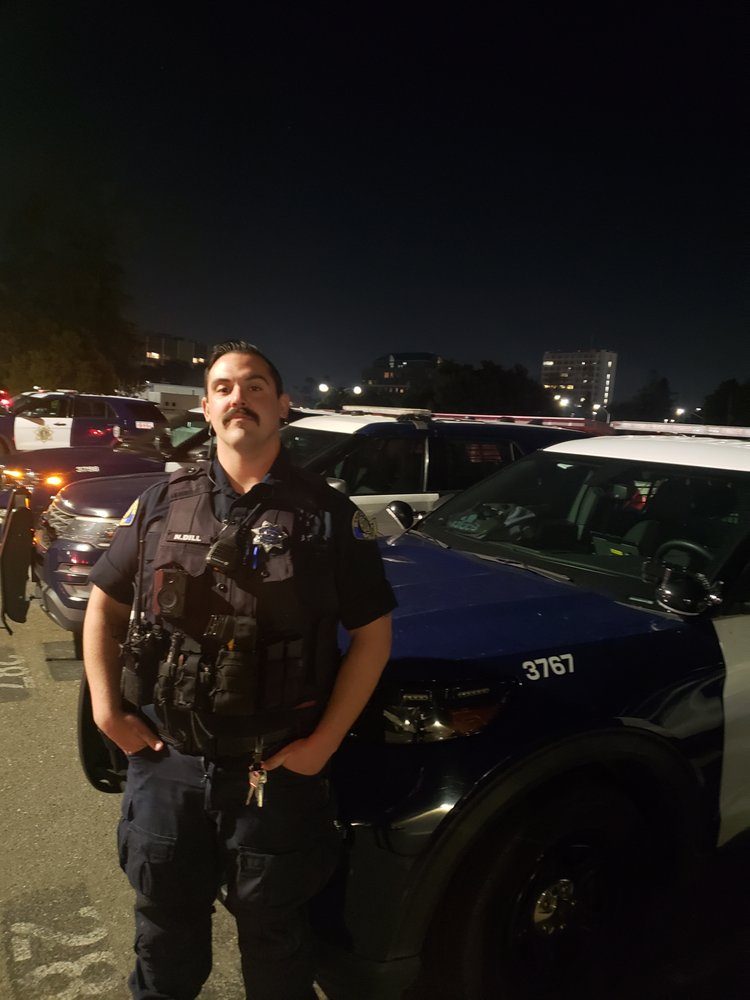
Clinic closing checks, and an officer sent out when your alarm company calls.
↗
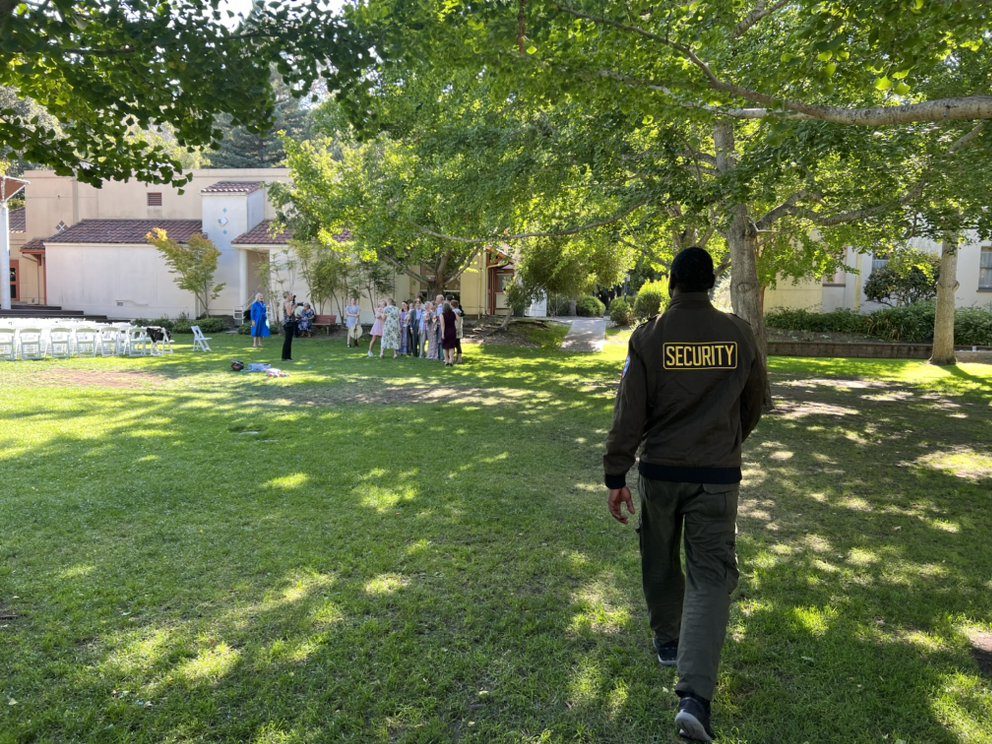
Overnight vehicle checks on outpatient buildings and closed clinics.
↗
Rounds while a sprinkler or alarm zone is down for renovation.
↗Call the dispatch line. We walk the site with your team and quote the post in writing.
We write them with your security, risk or office manager before the first shift and brief every officer.
Your overhead codes and the officer's job on each, often the Hospital Association of Southern California (HASC) set: Code Gray for a combative person, Code Silver for a weapon, Code Pink for an infant abduction.
Officers help hold a patient only when clinical staff direct it under your written policy, never on their own call.
Visiting hours, badges, the do-not-admit list, after-hours ED entry, and wand steps where the ED screens.
The code word or panic button staff use at check-in, where the officer stands, and the lock-up order at close, medication room door included.
Officers do not read charts or discuss patients. The orders say when to call 911 and who meets police at the door.
Your manager gets a written report after every shift: officer name and guard card number, post, time on and off, and each round with its time. It also flags:
Every violent incident: time, place, who was involved and what the officer did, ready for your violent incident log.
Hands-on assists, who directed them and how they ended.
Police contacts and 911 calls.
Doors found open, badge readers down, lights out.
Parking incidents and each escort given.
The licence decides it. Title 8, Section 3342 covers licensed health facilities such as hospitals and skilled nursing facilities, hospital-based outpatient clinics, and drug treatment programs. It requires a written workplace violence prevention plan with enough staffing, including security personnel, to keep order and respond to violent incidents, and a violent incident log kept for five years. Health and Safety Code Section 1257.7 adds a yearly hospital security assessment and training for staff regularly assigned to security.
A freestanding physician or dental office falls under Senate Bill 553 instead. Since July 1, 2024, Labor Code Section 6401.9 has required most California employers to keep a written plan, a violent incident log and yearly training. Bring your plan to the site walk and we write the post orders to fit it.
From Ventura to San Bernardino, our licensed officers and 24/7 dispatch protect five Southern California regions. Click a pin or county on the map to see every city we cover.
Call for a site walk of your entrances, desks, medication areas and parking, then get a written quote post by post.
Get a Free Quote