Officers who work the garages, gates, package rooms and pool decks of rental and condo buildings, and write down what the property manager needs to act on.
Apartment security guards spend very little of the shift at the front door. Most trouble in a multifamily building happens where residents are not looking: the subterranean garage, the trash enclosure, the vehicle gate that closes too slowly, the laundry room at 11 p.m. Koreatown mid-rises, Long Beach courtyard buildings and garden complexes in the San Fernando Valley and Orange County all have their own version of it.
At a condominium the client is the homeowners association and the officer takes direction from the management company. At a rental the officer reports to the owner or on-site manager. The rounds match; the chain of command does not, and the post orders settle it.
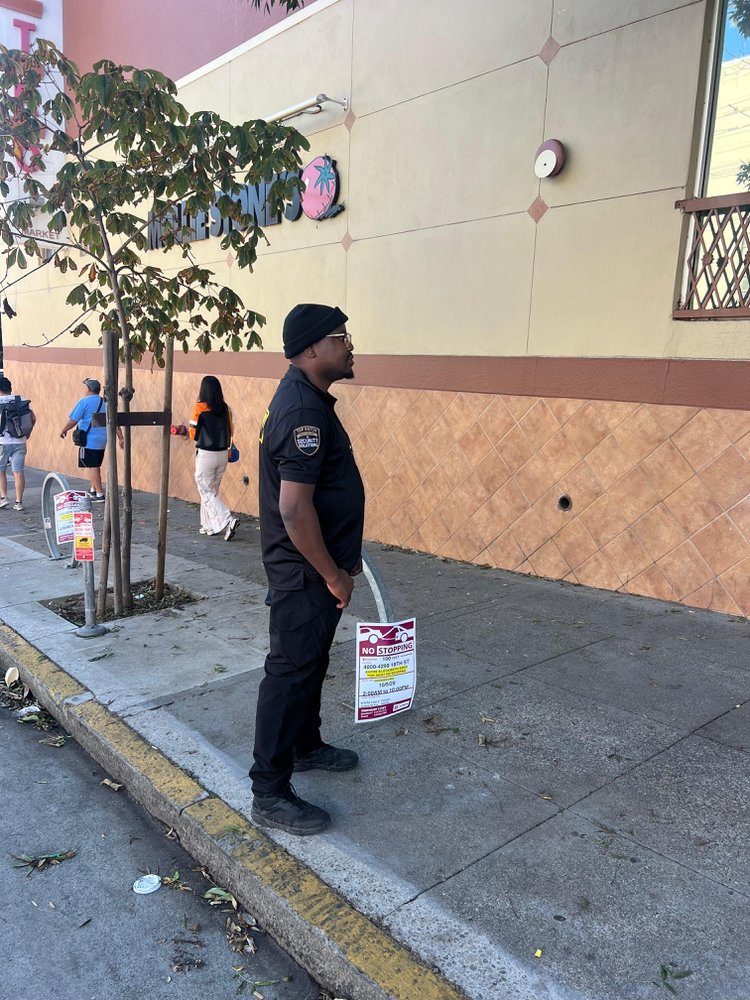
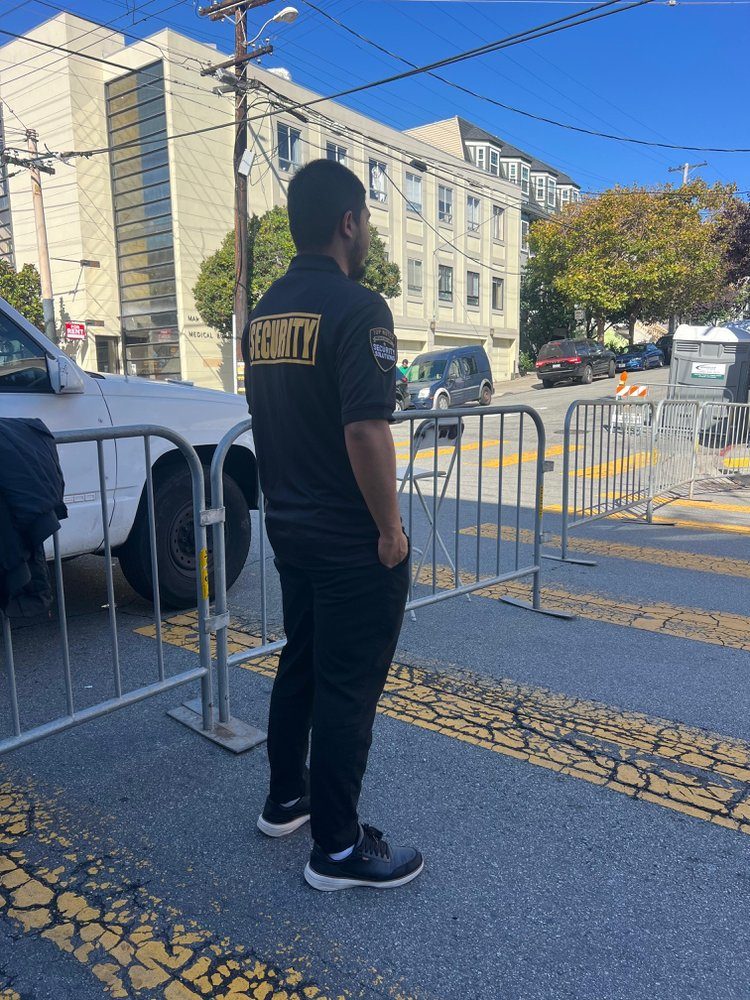
Buildings of every size see the same problems:
Smaller buildings often get by on patrol visits; large complexes usually need an officer on site overnight.
Several logged visits a night to the garage, gates and common areas.
↗
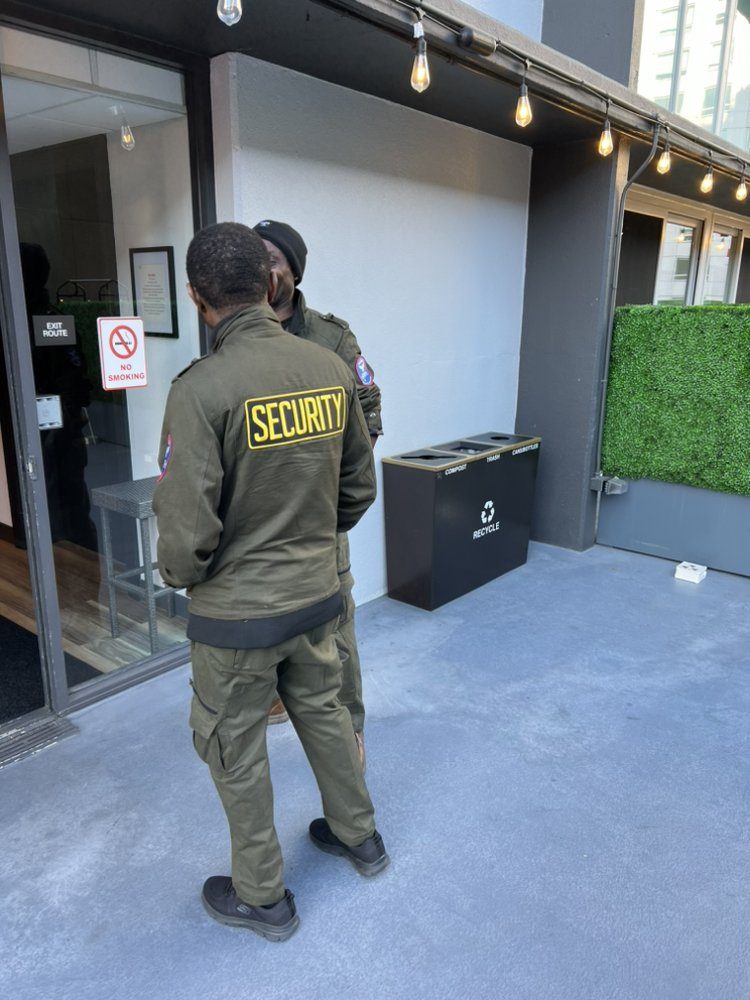
An on-site officer through evenings and overnight at larger complexes.
↗
Lobby desk coverage for condo towers: visitors, deliveries, move-ins.
↗
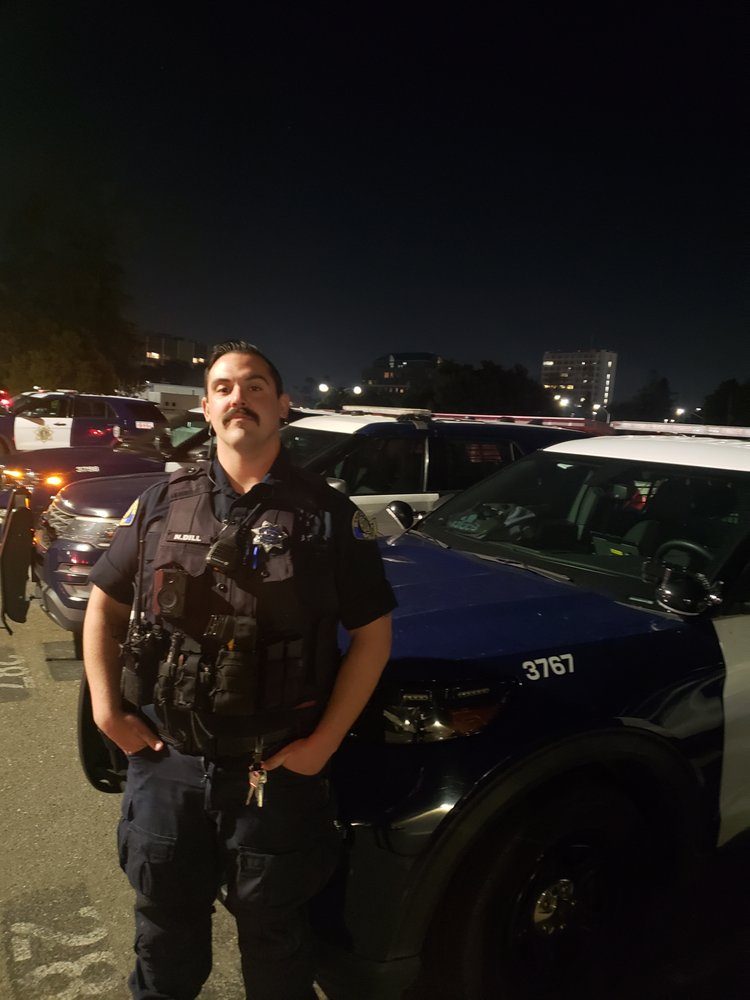
An officer on the building's cameras who walks out to check what they catch.
↗
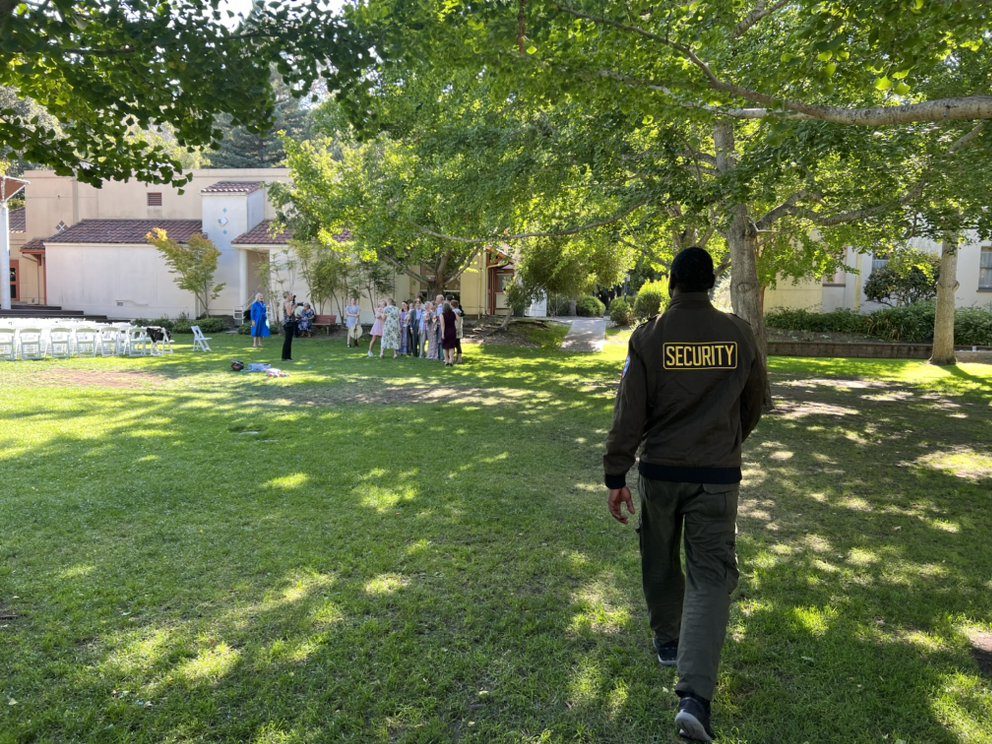
Pool, gym and clubhouse lock-up at closing, plus alarm response.
↗
Fire watch while the fire alarm or sprinklers are out of service.
↗Start with a night site walk, when the problems are visible.
Rounds, contacts and write-ups, in that order.
The officer walks every garage level and watches that vehicle gates close fully behind each car. A gate that sticks open is reported that night; somebody will find it.
People with no business in the building are asked to leave, politely, and the contact is logged with where they got in. Anyone who refuses is a police call.
The officer closes the pool, gym and clubhouse on schedule and answers noise complaints by knocking. The unit number goes to management; the officer never enters units.
Stalls, guest spaces and fire lanes are checked against the resident list. Tows follow California Vehicle Code Section 22658: signs at every entrance and written authorization from the owner or the owner's agent.
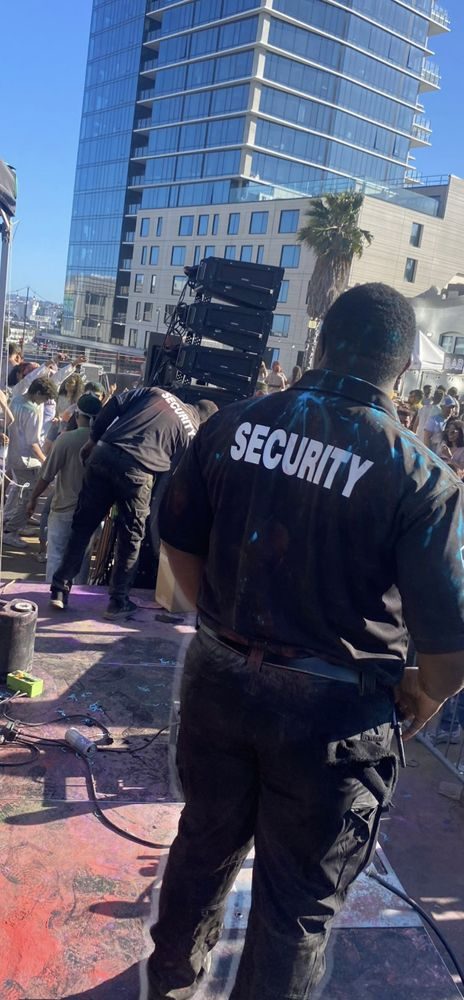
We write the orders with the property manager, or for condos with the management company. Apartment orders deal mostly with limits: how far the officer goes with a resident, and when the manager gets woken up.
Resident contacts. What the officer handles and what goes to management.
Unit numbers only. Complaints are logged by unit; the officer never argues a lease at a door.
Tow authority. Who signs tow authorizations, and the towing company named on your signs.
Amenity hours. Pool, gym and roof deck closing times.
Night calls. When to call the on-site manager: water leaks, fire alarms, injuries.
Vacant units. Which units are empty and get a door check on every round.
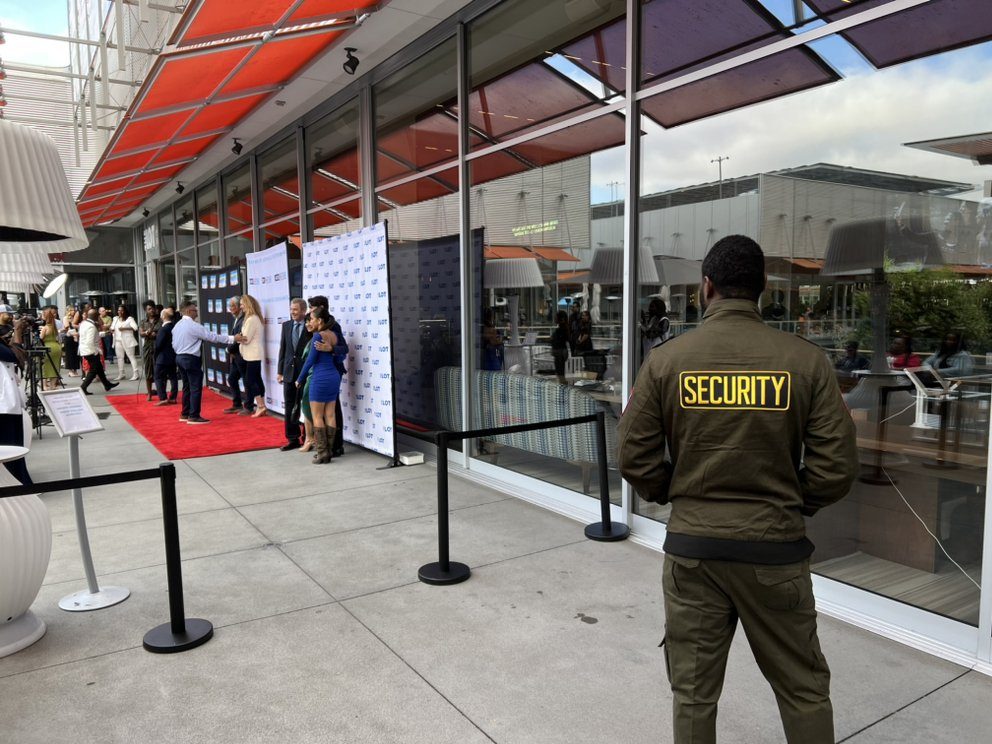
Each report lists the officer, guard card number, times, rounds and contacts, and gives every problem a location a maintenance tech can find:
From Ventura to San Bernardino, our licensed officers and 24/7 dispatch protect five Southern California regions. Click a pin or county on the map to see every city we cover.
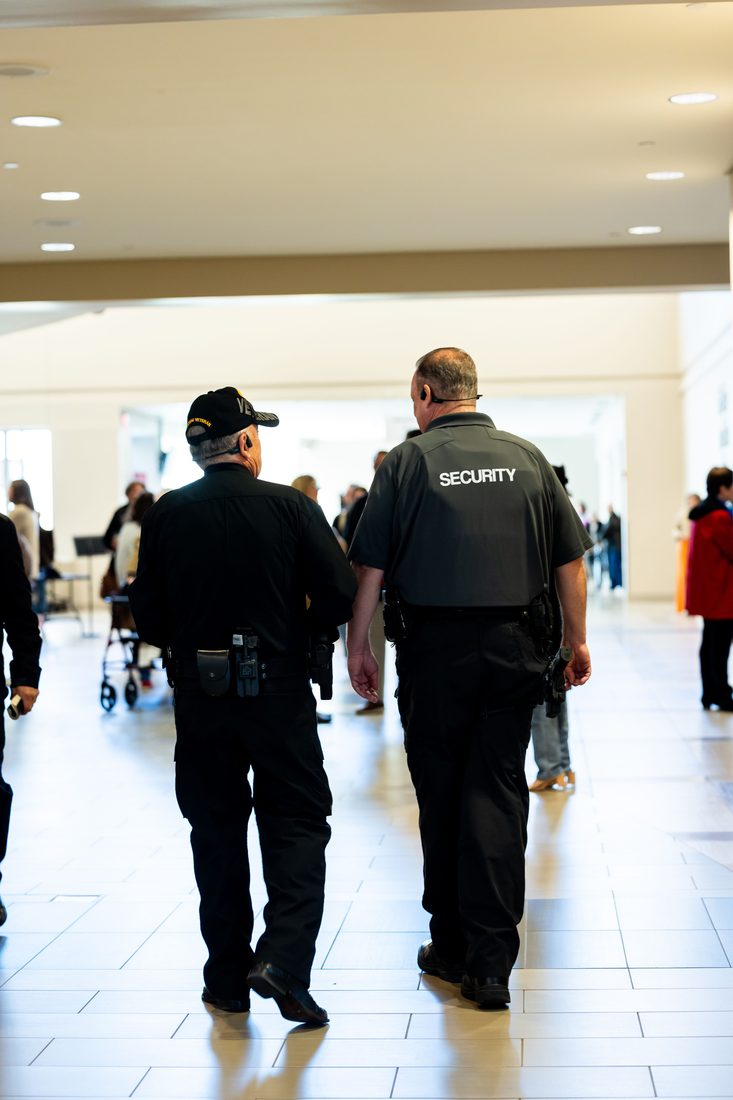
A site plan, recent incident notes, your tow company's name, and the hours residents complain most.
Tell us the unit count, garages and gates, and when problems happen. We walk it after dark and quote in writing, post by post.
Get a Free Quote