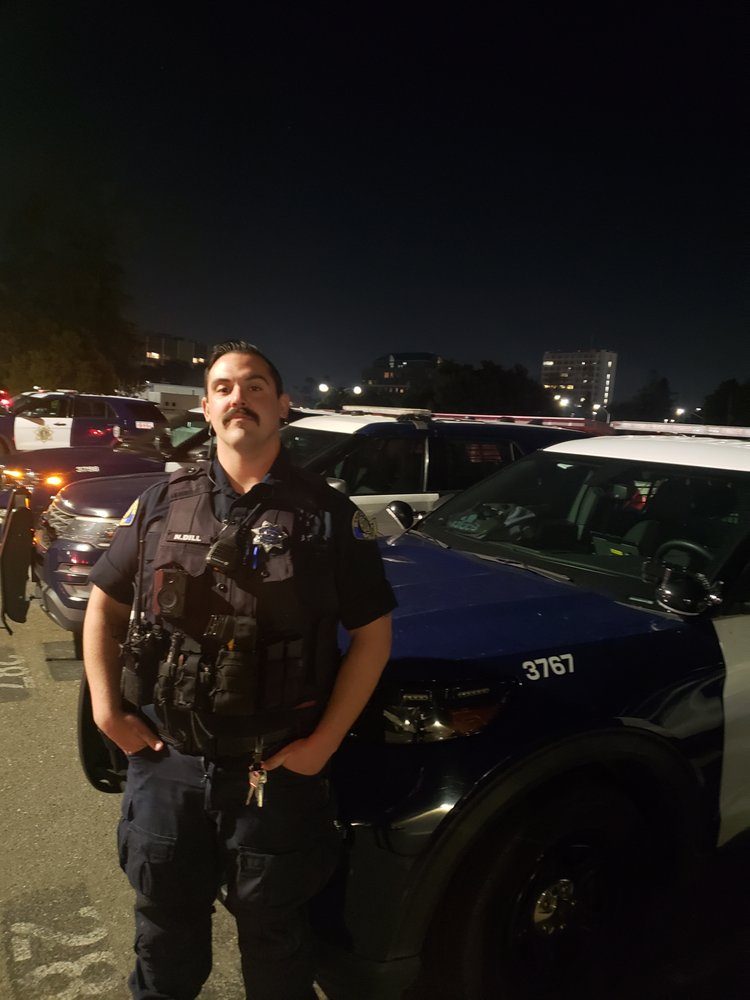
A patrol officer drives a route of properties through the night, stops at each one, checks gates, doors and lots on foot, and logs every visit with its time. Campuses and HOAs can have the same patrol on foot, bike or golf cart.
Each stop has a job list. On a typical commercial visit the officer drives the perimeter, gets out, pulls on the doors, checks the gate chain and the roll-up doors at the dock, walks the corners a car cannot see into, and asks anyone loitering or camped on the property to move along, as the post orders direct. The visit goes into the shift report with arrival and departure times and anything found.
Mobile vehicle patrol suits sites where a full-time guard would spend most of the night watching an empty building: a closed office park, a car lot, a yard between construction phases, a strip center after the last tenant locks up. One officer's night is shared across several properties, so each one pays for visits rather than a full shift.
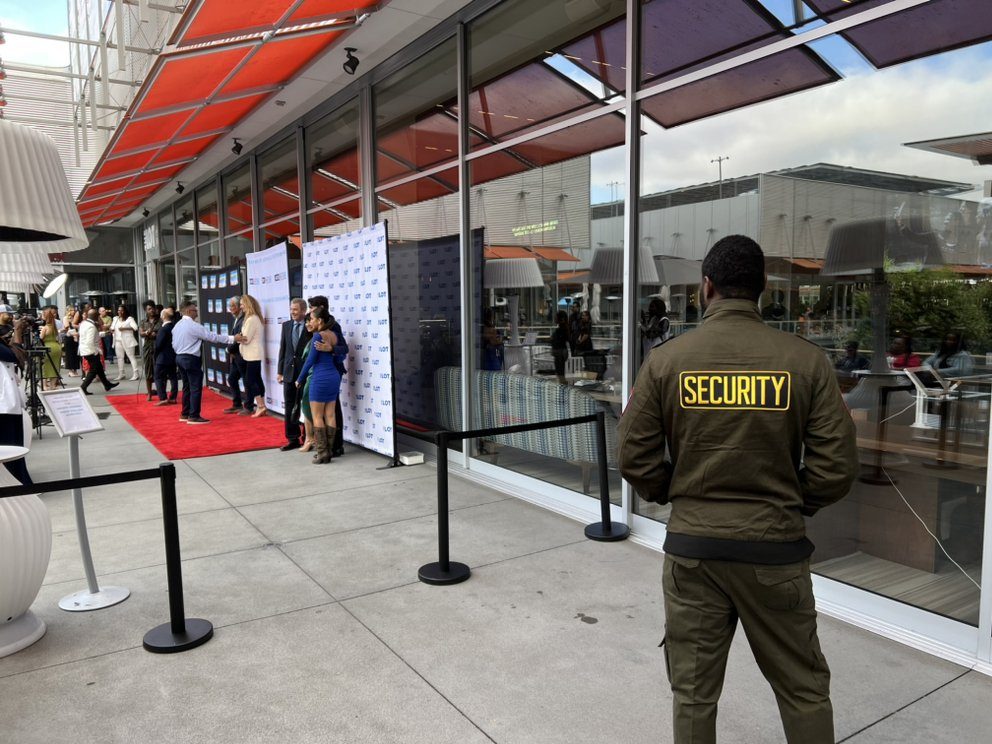
Managers with several properties in one area often put them on a single route. A group of apartment buildings in the San Fernando Valley, retail centers along the 91 in Orange County, or industrial units in Ontario and Fontana can share one patrol officer, with each property keeping its own schedule and its own report.
A patrol does not watch a site continuously. Between visits the property is on its own, so the worst hours, such as a late loading window or closing time at the bar next door, may still need a fixed post.
Foot, bike and golf-cart patrol puts the officer where a car cannot go: walkways, courtyards, stairwells, pool decks, parking structures and the paths between buildings. The officer is also easy for residents, students or shoppers to flag down.
A golf cart lets one officer cover pools, the clubhouse, common areas and perimeter walls, check that amenity gates close, and note violations of the rules the board has written into the post orders.
A bike officer sweeps walkways and lots between buildings, walks staff to their cars after dark, and stays close enough to be waved over.
Shopping center lots, hospital garages and multi-level structures are walked level by level, with stairwells and exits checked on each pass.
Many sites combine methods: a vehicle patrol for the perimeter and outlying lots overnight, and a foot or cart officer on the grounds through the busy evening hours.
What owners add when patrol visits alone leave gaps.
A fixed officer for the entrance or the hours when patrol visits are not enough.
↗
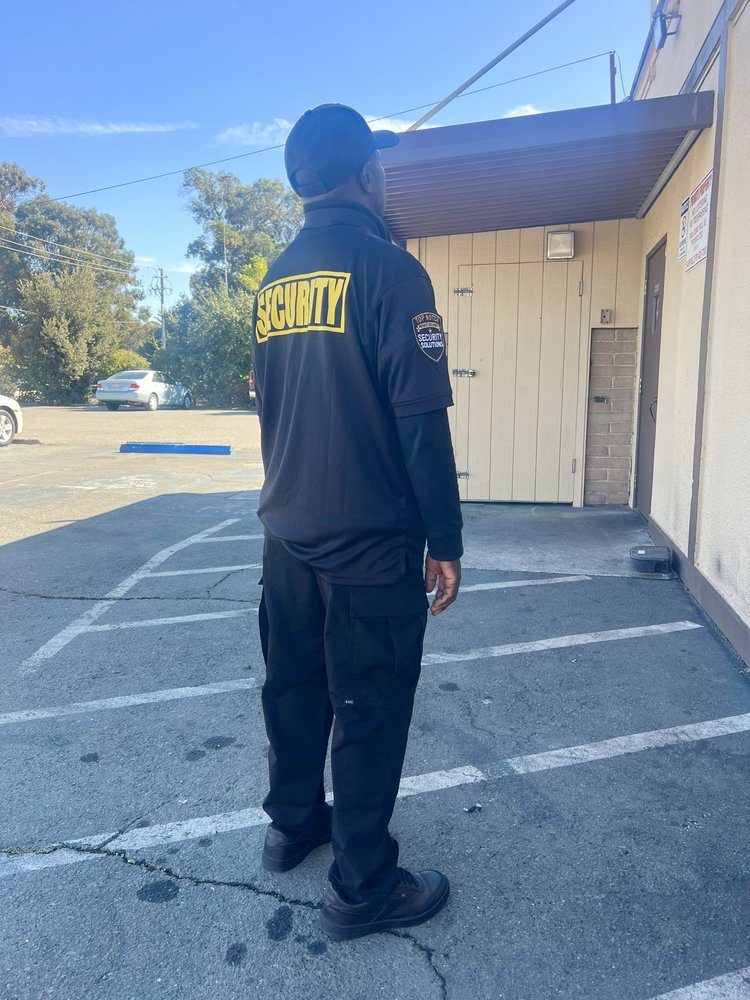
Scheduled closing and alarm calls run by the same patrol officer.
↗
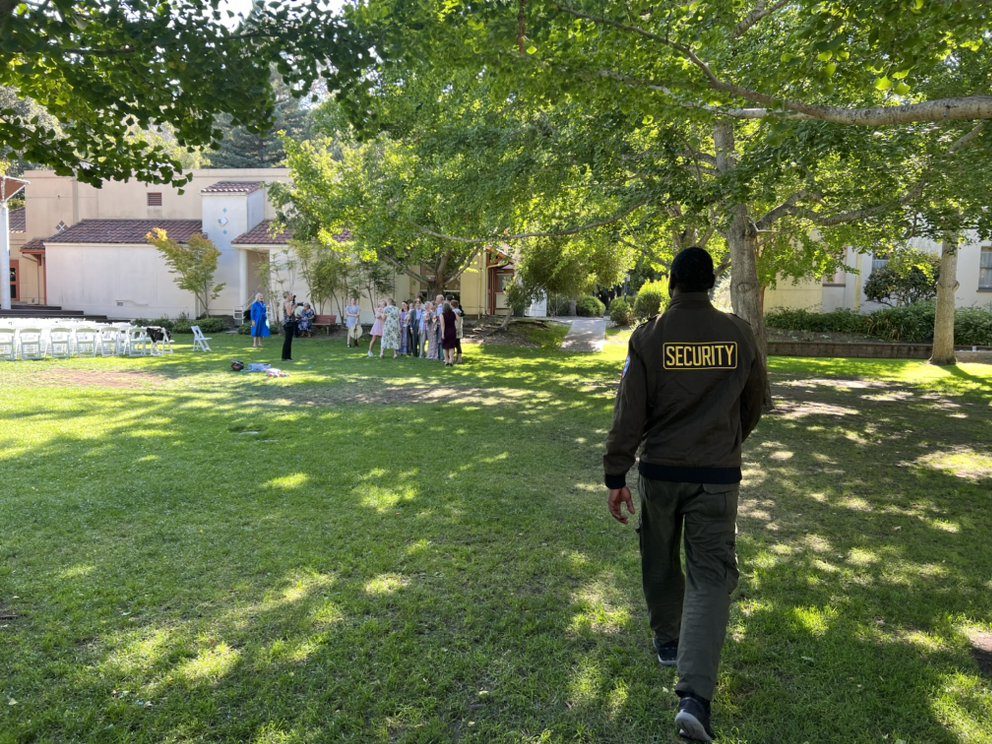
Night checks of fencing, containers and equipment on the job site.
↗
A full-time officer when a patrolled building loses its sprinklers or alarm.
↗
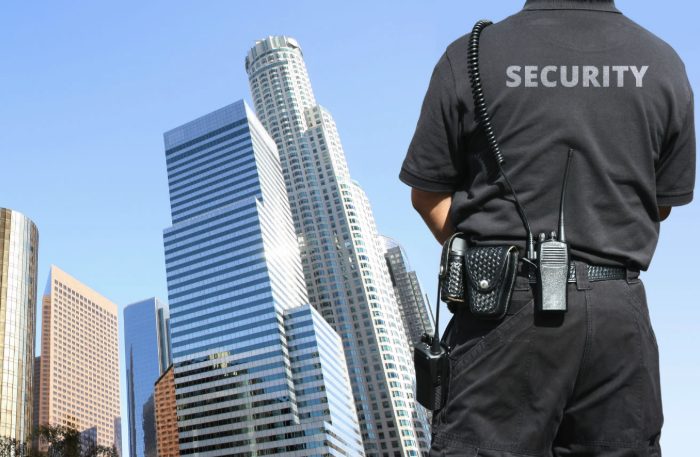
Camera coverage for the time between patrol visits.
↗
Dock doors, trailer yards and fence lines checked on each pass.
↗Send the addresses and the hours you worry about. We will set a visit count for each site and quote the route property by property.
Each stop at each property with its arrival and departure time.
Doors left open, broken lights, cut fencing, graffiti, water leaks, and vehicles parked where they should not be.
What happened, when, what the officer did, and whether police or fire were called.
Where a picture of the damage or the open gate says it faster than a paragraph.
Field supervisors check on patrol officers unannounced. Our dispatch line answers 24/7, so a call from you at 2 a.m. reaches someone who can send the officer on your route.
From Ventura to San Bernardino, our licensed officers and 24/7 dispatch protect five Southern California regions. Click a pin or county on the map to see every city we cover.

Tell us the addresses, how many visits you want each night and what goes wrong at each site. We will map the route and price each property on its own line.
Call for a Quote