Officers who watch the inventory lot overnight, keep the service lot and key room tight, and log every car carrier that unloads after hours.
Auto dealership security guards are mostly night workers. The exposure starts when the showroom closes and new and used inventory, customer cars waiting for service and the key box sit behind a fence a person can climb. That holds on dealer rows such as Cerritos Auto Square, the Tustin Auto Center or Van Nuys Boulevard, and on a single used-car lot in the Inland Empire.
The worst losses are not always whole cars. Wheels stripped from new trucks, catalytic converters cut from customer vehicles in the service lot, and a test drive that never comes back all happen at dealerships. An officer on the lot at night deters the first two; a license and insurance check at the sales desk handles the third.
Dealership losses cluster after hours and on the service side:
A common setup: a standing officer on weeknights, longer Sunday and holiday hours, and patrol for a satellite lot.
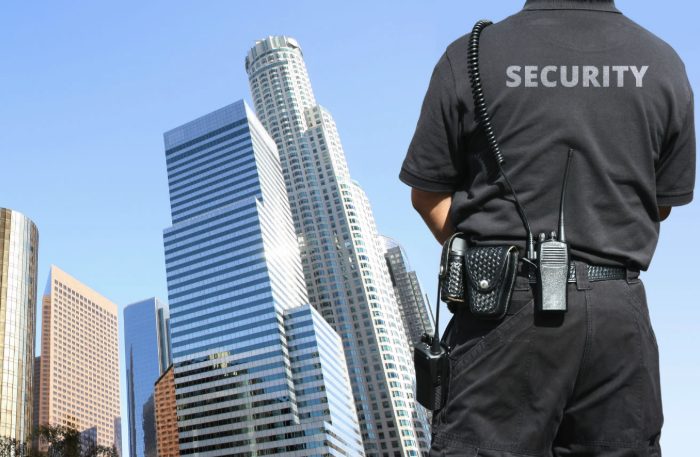
An overnight officer from close to open, walking the inventory rows.
↗
Patrol visits for overflow storage, satellite lots or lighter nights.
↗
An officer on the lot cameras who walks to any row where something moved.
↗
Key control and inventory spot checks against the stock list.
↗
Closing checks of showroom, bays and parts room, plus alarm response.
↗
Short-term cover after a theft or over a holiday week.
↗Tell us when and where on the lot. We walk it at night and put the officer where the losses were.
Overnight, the job is noticing change on a lot that should look the same every hour.
The officer walks the inventory rows on a schedule, looking for vehicles on blocks, open doors, broken glass and moved cars. Stock numbers of anything wrong go in the report.
Customer cars waiting for repair get extra rounds; they often sit against the fence, and they are the cars a dealer least wants to explain in the morning.
Carriers often unload after hours. The officer checks the driver, records the vehicle identification numbers (VINs) or stock numbers that come off the truck, and closes the gate once the carrier leaves.
The officer checks the key room or box and the showroom, parts and service doors, but holds no vehicle keys unless the post orders say so in writing.
We write dealership orders with the general manager or the fixed operations director. Most of the orders come down to two questions: which vehicles may move at night, and who can authorize it.
Vehicle movement. Nothing leaves after close without a named manager's approval.
Carrier unloads. Expected deliveries, the driver check and what gets recorded.
Key control. Where keys sit overnight and who the officer calls about them.
Lot zones. Inventory, service, customer and employee parking, marked on a map.
Alarm contacts. Alarm company, managers in call order, and police.
Weekend hours. Longer coverage on Sundays and holidays.
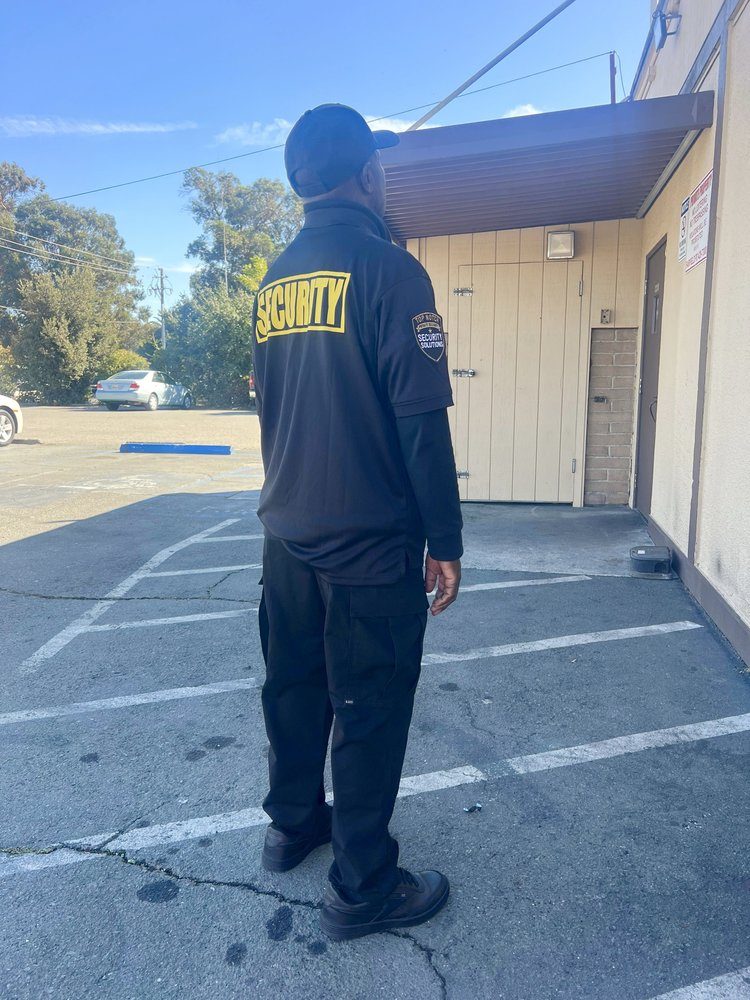
The report waits for the manager at open: officer, guard card number, times and each round with its time, plus:
From Ventura to San Bernardino, our licensed officers and 24/7 dispatch protect five Southern California regions. Click a pin or county on the map to see every city we cover.
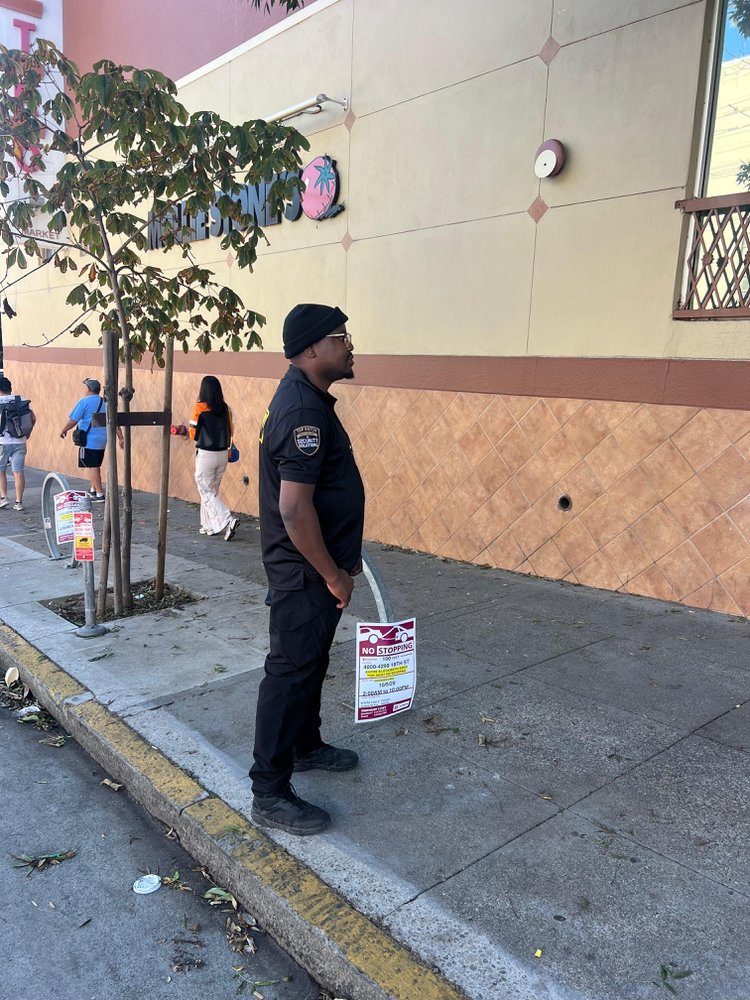
A lot map, your delivery schedule, how keys are stored overnight, and the dates of past losses.
Tell us the lot size, your hours and your weekend schedule. We walk the lot after dark and send a written quote post by post.
Get a Free Quote