For property owners, contractors, and building managers whose fire protection system is out of service, or who are running hot work and need a fire watch tonight.
A fire watch security officer has one job: walk a fixed route looking for fire, and log every round. California Fire Code Section 901.7 puts it the same way: the fire watch's only duty is constant patrol, keeping watch for fires.
The officer gets the impairment details: which system is down, which zones it covers, when it went out, and the on-site contact. They walk the route once with your representative and confirm access to every area on it: locked mechanical rooms, stairwells, roof access.
Flashlight. A charged phone, since the code requires at least one approved way to notify the fire department, plus a printed contact sheet with the fire department number and your escalation list. An air horn when the alarm system is the thing that is down. Keys or fobs for the full route.
Every pass covers the impaired zone first, then the structure floor by floor: stairwells, mechanical and electrical rooms, storage, trash areas, the roof. At each checkpoint the officer looks and smells for smoke, heat, scorching, sparking, water flow, blocked exits, and propped fire doors. Each round is logged with its completion time and the condition found.
The officer stays at the work area, watches for sparks and slag travel, including through floor penetrations, and stays on after the work stops for the period your permit requires. The code also calls for at least one 2-A:20-B:C extinguisher within 30 feet (9 m) of the work.
Shift change happens in person: the outgoing officer walks the incoming officer through the log and any open issue. The log stays on site.
A repair, a failed inspection, a broken main, or water shut off for construction.
A panel in trouble, a device failure, or a system being replaced.
Welding, cutting, grinding, or torch-down roofing.
An inspection turned up a violation, or you are holding a vacant or fire-damaged building where the protection system is not operational.
The California Fire Code is Part 9 of Title 24 of the California Code of Regulations. The 2025 edition took effect on January 1, 2026.
Section 901.7, systems out of service. When a required fire protection system is out of service, the fire department and the fire code official must be notified immediately. Where the fire code official requires it, the building must be evacuated or an approved fire watch provided until the system is back in service. The fire department is told again once protection is restored.
Chapter 35, welding and other hot work. Section 3504.2.1 requires a fire watch during hot work and for not less than 30 minutes after it finishes. The fire code official, or the manager running a hot work program, can extend that.
Your local fire department is the authority having jurisdiction. It sets the patrol interval and may require its own log form, and Los Angeles, Long Beach, Ventura County and Orange County do not all ask for the same thing. Tell us what your order says and we will patrol and log to it.
Licensing. Every fire watch officer CAL sends holds a BSIS guard card, and the company holds a Private Patrol Operator licence. Our licensing page has the rest.
Fire watch usually runs continuously until the system is restored: three shifts a day, every day, with overnight, weekend and holiday hours included.
One officer covers one route. A high-rise with multiple impaired risers, or a campus with separate buildings, needs more than one.
A twenty-floor tower on a 30-minute interval is a different staffing problem than a single-story warehouse. The shorter the interval, the less ground one officer covers.
A watch starting tonight costs more than one scheduled for Monday, because emergency starts mean overtime or pulling an officer off rest.
Fire watch in California usually runs $22 to $40 per guard, per hour. Any company quoting a flat number before asking your building size and interval is guessing. The fire watch cost guide goes through the math.
Field supervisors visit posts unannounced to confirm the officer is present and walking the route.
The timed patrol log after every shift, in your fire marshal's format, with the officer's name and guard card number, time on and off, and every round with its completion time.
Dispatch answers 24 hours a day, 7 days a week.
What an impaired building often needs besides the watch.
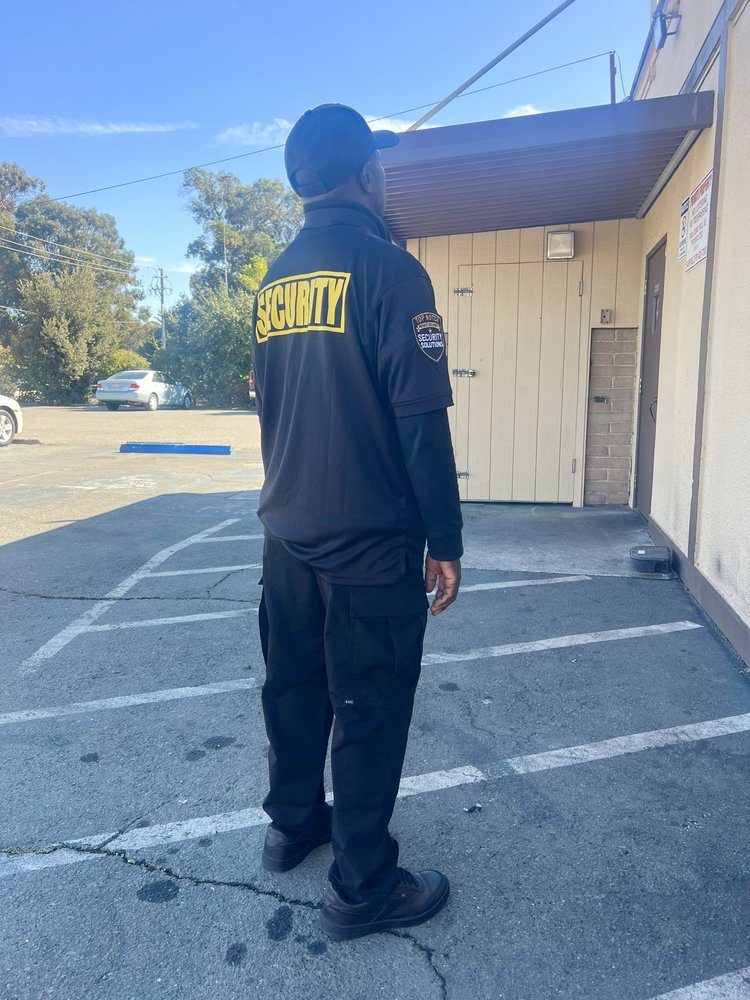
Gate and night coverage for job sites with hot work.
↗
A separate access post; the fire watch takes no other duties.
↗
Closing checks once the alarm is back in service.
↗
Dock and yard coverage while sprinklers are repaired.
↗
Night visits to a fire-damaged building after the watch.
↗Call with the address, what is impaired, and the interval on your order, and we will tell you what we can staff. Logs start the moment the officer arrives.
From Ventura to San Bernardino, our licensed officers and 24/7 dispatch protect five Southern California regions. Click a pin or county on the map to see every city we cover.
Call (323) 792-3061 or email calprivatesec@gmail.com. Tell us the address, what is impaired, and what your order says.
Call for a Quote